
Sign up to explore more
Create a free account to navigate family trees, view ancestors, and discover connections.
Sign up to explore more
Create a free account to navigate family trees, view ancestors, and discover connections.
Aragon Family Genealogy & History
Discover the Global Legacy of the Aragon Surname
The Aragon surname traces its origins to the Iberian Peninsula, specifically the historical Kingdom of Aragon in northeastern Spain. This surname is derived from the region's name, reflecting the area's historical significance and cultural influence. The Kingdom of Aragon played a pivotal role in medieval Spain, which is reflected in the prominence and distribution of the Aragon surname throughout the region.
The spread of the Aragon surname began in the medieval period, with families establishing themselves in key provinces of the Kingdom of Aragon, such as Huesca, Zaragoza, and Teruel. Over the centuries, the Aragon family tree expanded as members migrated to other parts of Spain and beyond. The 16th century marked a significant period of migration, as some Aragon families moved to the New World, notably Mexico, where the surname became well-established in subsequent centuries.
YourRoots dataset insights reveal that the Aragon surname first appeared in Spain during the early medieval period, aligning with the historical significance of the Kingdom of Aragon. The dataset confirms the geographical spread of the surname across Spain during the 11th and 12th centuries, with notable growth in family branches through the 13th to 15th centuries. This data enriches the understanding of the Aragon genealogy, highlighting both the historical roots and the expansive reach of the Aragon family tree.
For modern genealogy researchers, the YourRoots data provides invaluable insights into the Aragon family history, tracing its evolution from Spain to the Americas. Exploring the Aragon genealogy through YourRoots records offers a comprehensive view of this storied surname, inviting descendants to uncover connections within their own family trees.
Find the Aragon Family Tree
Search more Aragon trees & genealogy records
Records
-
AAAlphonso II \ Alfons I King of Aragon1152–1196Individual Tree PersonParents: Ramon Barcelona & Petronila 10Spouse: Sancha 10Children: Peter, AlfonsoScore: AAAAlphonso II \ Alfons I King of Aragon1152–1196Individual Tree PersonParents: Ramon Barcelona & Petronila 10Spouse: Sancha 10Children: Peter, AlfonsoScore: A
-
CACatherine of Aragon1485–1536Individual Tree PersonParents: Ferdinand Spain & Isabella SpainSpouse: Henry England, Arthur WalesChildren: Mary, HenryScore: ACACatherine of Aragon1485–1536Individual Tree PersonParents: Ferdinand Spain & Isabella SpainSpouse: Henry England, Arthur WalesChildren: Mary, HenryScore: A
-
GAGiovanna (Jeanne) d'ARAGONA AKA Johanna van Aragon1502–1575Individual Tree PersonParents: Ferdinand Montalto & Catharina CardonaSpouse: Ascanio ManoppelloChildren: Marc, Victoria, Hieronyma, DoñaScore: AGAGiovanna (Jeanne) d'ARAGONA AKA Johanna van Aragon1502–1575Individual Tree PersonParents: Ferdinand Montalto & Catharina CardonaSpouse: Ascanio ManoppelloChildren: Marc, Victoria, Hieronyma, DoñaScore: A
-
MAMaria D Aragon1503–1568Individual Tree PersonParents: King Naples & Isabella NaplesSpouse: Alfonso AvalosChildren: Don, Maria, Prins, Antonia, Cesare, Innico, Carlos, Karel, BeatrixScore: AMAMaria D Aragon1503–1568Individual Tree PersonParents: King Naples & Isabella NaplesSpouse: Alfonso AvalosChildren: Don, Maria, Prins, Antonia, Cesare, Innico, Carlos, Karel, BeatrixScore: A
-
CAConstance Aragon1249–1302Individual Tree PersonParents: Manfred Sicily & Beatrice ProvenceSpouse: Peter AragonChildren: IsabelScore: ACAConstance Aragon1249–1302Individual Tree PersonParents: Manfred Sicily & Beatrice ProvenceSpouse: Peter AragonChildren: IsabelScore: A
-
RARamiro I (king) of Aragon1007–1063Individual Tree PersonParents: Sancho IIISpouse: Gerberge BigorreChildren: SanchoScore: ARARamiro I (king) of Aragon1007–1063Individual Tree PersonParents: Sancho IIISpouse: Gerberge BigorreChildren: SanchoScore: A
-
CACatherine of Aragon1485–1536Individual Tree PersonParents: *Thomas Kent & Lady HowardSpouse: Henry EnglandChildren: Catherine, Elizabeth, Mary, Mary, Queen, Henry, Louis, Henry, Stillborn, Roland, Ada, Edward, Henry, Elizabeth, Catherine, 1st, Henry, Henry, Stillborn, Unnamed, DaughterScore: ACACatherine of Aragon1485–1536Individual Tree PersonParents: *Thomas Kent & Lady HowardSpouse: Henry EnglandChildren: Catherine, Elizabeth, Mary, Mary, Queen, Henry, Louis, Henry, Stillborn, Roland, Ada, Edward, Henry, Elizabeth, Catherine, 1st, Henry, Henry, Stillborn, Unnamed, DaughterScore: A
-
RARamiro I of Aragon, King of Aragon1000–1063Individual Tree PersonParents: Sancho Aragon & Munia CastileSpouse: Ermesinda Bigorre, Gisberge BigorreChildren: SanchoScore: ARARamiro I of Aragon, King of Aragon1000–1063Individual Tree PersonParents: Sancho Aragon & Munia CastileSpouse: Ermesinda Bigorre, Gisberge BigorreChildren: SanchoScore: A
-
KAKing Peter II King of Aragon1174–1213Individual Tree PersonParents: King Barcelona & Sancha AragonScore: AKAKing Peter II King of Aragon1174–1213Individual Tree PersonParents: King Barcelona & Sancha AragonScore: A
-
SASancho Iiv Ramirez Van Aragon1042–1094Individual Tree PersonParents: Ramiro Aragon & Gerberge BigorreSpouse: Felicitas Rameru, Isabel UrgelChildren: RamiroScore: ASASancho Iiv Ramirez Van Aragon1042–1094Individual Tree PersonParents: Ramiro Aragon & Gerberge BigorreSpouse: Felicitas Rameru, Isabel UrgelChildren: RamiroScore: A
-
IAIsabella Pss Asturias Aragon1470–1498Individual Tree PersonParents: Ferdinand Aragón & Isabel kikiSpouse: Afonso Portugal, Philip FranceChildren: Miguel, CharlesScore: AIAIsabella Pss Asturias Aragon1470–1498Individual Tree PersonParents: Ferdinand Aragón & Isabel kikiSpouse: Afonso Portugal, Philip FranceChildren: Miguel, CharlesScore: A
-
CACatherine Aragon1485–1536Individual Tree PersonParents: Ferdinand Aragón & Isabella CastiliëSpouse: Arthur Tudor, Henry VIII, Arthur, WalesChildren: MaryScore: ACACatherine Aragon1485–1536Individual Tree PersonParents: Ferdinand Aragón & Isabella CastiliëSpouse: Arthur Tudor, Henry VIII, Arthur, WalesChildren: MaryScore: A
-
MAMariana Gutierrez Flores de la Cavalleria ;Duquessa (Duchess) de Aragon1480–1551Individual Tree PersonParents: Juan Caballeria & Maria CavalleraSpouse: Alonso EspanaChildren: Ana, Marina, Luis, Beatriz, Luisa, Leonor, Francisca, Fray, Catalina, BartoloméScore: AMAMariana Gutierrez Flores de la Cavalleria ;Duquessa (Duchess) de Aragon1480–1551Individual Tree PersonParents: Juan Caballeria & Maria CavalleraSpouse: Alonso EspanaChildren: Ana, Marina, Luis, Beatriz, Luisa, Leonor, Francisca, Fray, Catalina, BartoloméScore: A
-
KAKing James I of Aragon1208–1276Individual Tree PersonParents: Peter 10 & Marie 10Spouse: Yolande HungaryChildren: Isabell, PeterScore: AKAKing James I of Aragon1208–1276Individual Tree PersonParents: Peter 10 & Marie 10Spouse: Yolande HungaryChildren: Isabell, PeterScore: A
-
JAJuana Vasquez Trastamara of Aragon1454–1517Individual Tree PersonParents: Juan Sicily & Juana SicilySpouse: Ferdinand NaplesChildren: Giovanna, CarloScore: AJAJuana Vasquez Trastamara of Aragon1454–1517Individual Tree PersonParents: Juan Sicily & Juana SicilySpouse: Ferdinand NaplesChildren: Giovanna, CarloScore: A
-
PAPedro de Aragon1176–1213Individual Tree PersonParents: Alfonso Raimond & Sanchia CastillaSpouse: Marie MontpellierScore: APAPedro de Aragon1176–1213Individual Tree PersonParents: Alfonso Raimond & Sanchia CastillaSpouse: Marie MontpellierScore: A
-
JAJuanna de Aragon1454–1517Individual Tree PersonParents: Johan Aragon & Johanna CastiliëSpouse: Ferdinand AragonChildren: JoannaScore: AJAJuanna de Aragon1454–1517Individual Tree PersonParents: Johan Aragon & Johanna CastiliëSpouse: Ferdinand AragonChildren: JoannaScore: A
-
EAEleanor of Aragon1402–1445Individual Tree PersonParents: Ferdinand Aragon & Eleanor AlbuquerqueSpouse: Duarte PortugalChildren: Fernando, EleonoreScore: AEAEleanor of Aragon1402–1445Individual Tree PersonParents: Ferdinand Aragon & Eleanor AlbuquerqueSpouse: Duarte PortugalChildren: Fernando, EleonoreScore: A
-
FAFaustin Aragon1896–1992Individual Tree PersonParents: Jose ARAGON & Asencion AragonScore: AFAFaustin Aragon1896–1992Individual Tree PersonParents: Jose ARAGON & Asencion AragonScore: A
-
JAJuana De ARAGON1471–1555Individual Tree PersonParents: Ferdinand Catholic & Isabella TrastamaraSpouse: Philip Habsburg, Philippe dAutricheChildren: Maria, Eleanor, Catherine, Eleanor, Isabella, Ferdinand, CarlosScore: AJAJuana De ARAGON1471–1555Individual Tree PersonParents: Ferdinand Catholic & Isabella TrastamaraSpouse: Philip Habsburg, Philippe dAutricheChildren: Maria, Eleanor, Catherine, Eleanor, Isabella, Ferdinand, CarlosScore: A
Search more trees & records for
Aragon for free
Tracing Your Aragon Family Lineage
Origin of the Aragon Family: Where does the Aragon surname come from?
The Aragon surname finds its earliest known appearance in Spain during the early medieval period. This initial record marks the beginning of a rich genealogical history, connecting various family lines to the cultural and historical tapestry of the Iberian Peninsula. The emergence of the Aragon name suggests a lineage tied to the Kingdom of Aragon, reflecting the region's significance in shaping family identities and connections.
Genealogy and Early Family History of Aragon
Throughout the following centuries, the Aragon family began to spread across Spain, particularly in regions where the influence of the Kingdom of Aragon was prominent. During the 11th and 12th centuries, families bearing the Aragon surname established themselves in various provinces, contributing to the growth of their family trees. These early families not only expanded their branches within Spain but also laid the groundwork for future generations to explore their lineage.
As the centuries progressed, the Aragon surname continued to flourish in Spain, with significant records from the 13th to the 15th centuries. Families began to intertwine through marriages and alliances, further enriching the tapestry of their genealogy. This period saw the formation of numerous family branches, each contributing to the legacy of the Aragon name.
Tracing the Aragon Family Tree Through the Centuries
The expansion of the Aragon surname took a notable turn during the 16th century, as families began to migrate to the New World, specifically to Mexico. This migration marked a significant chapter in the Aragon family history, with the name gaining prominence in Mexico during the 17th and 18th centuries. The Aragon surname established itself in multiple regions, showcasing its adaptability and resilience as families continued to grow and diversify.
By the 19th century, the Aragon name had firmly rooted itself in the United States, reflecting the broader patterns of migration and settlement. The evolution of the surname demonstrates a rich narrative of family connections across continents, with branches of the Aragon family tree flourishing in various cultural contexts. This global spread highlights the enduring legacy of the Aragon surname through generations.
Where to Find Aragon Genealogy Records Today
In the modern centuries, the Aragon surname continues to be well-represented, particularly in regions such as Mexico and the United States. The global reach of the Aragon family reflects a dynamic history that invites exploration and connection among descendants. Readers are encouraged to delve into the YourRoots database to discover Aragon genealogy records and uncover their own family ties to this storied surname.
Famous People with Aragon (and Their Family Tree)
Ferdinand II of Aragon
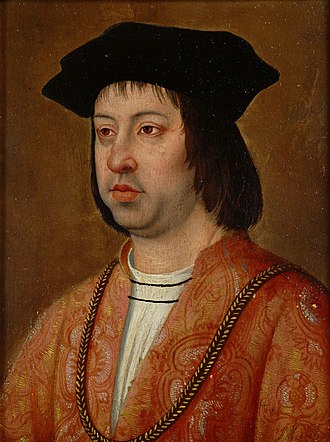
Ferdinand II of Aragon, also known as Ferdinand the Catholic, was a pivotal figure in the formation of modern Spain. As King of Aragon from 1479 to 1516 and co-ruler of Castile with his wife, Queen Isabella I, he played a crucial role in the dynastic union of Spain. Notable achievements include completing the Reconquista by capturing Granada in 1492 and sponsoring Christopher Columbus's voyage, leading to European colonization of the Americas. He also issued the Alhambra Decree, expelling Jews from Spain, and forced the conversion of Muslims in his realm. His reign marked the beginning of Spain's ascent as a global power.
Ferdinand was born on 10 March 1452 in the Kingdom of Aragon, son of John II of Aragon and Juana Enríquez. His family was part of the House of Trastámara, a cadet branch renowned for its influence in Iberian politics. Ferdinand's marriage to Isabella of Castile united two powerful dynasties, both descending from John I of Castile, further solidifying the Trastámara legacy in Spanish history.

Crown of Aragon
The Crown of Aragon was a significant medieval composite monarchy known for its expansive Mediterranean influence. Originating from the dynastic union of the Kingdom of Aragon and the County of Barcelona, it thrived in the 14th and 15th centuries, controlling regions in the eastern Iberian Peninsula, southern France, and territories like Sicily, Sardinia, and parts of Greece. As a thalassocratic power, it played a crucial role in maritime law, exemplified by the Llibre del Consolat del Mar. The Crown of Aragon was a confederate entity, with each territory maintaining autonomy under the singular rule of the king, culminating in a union with the Crown of Castile in 1479, which led to the formation of the Spanish monarchy.
The Crown of Aragon's origins trace back to 1137, when Petronilla of Aragon and Raymond Berenguer IV of Barcelona's marriage united their titles, forming a powerful medieval state. Petronilla was the daughter of King Ramiro II of Aragon, known as "The Monk," who left monastic life to rule following his brothers, Peter I and Alfonso I. This dynastic union respected the individual institutions of both Aragon and Catalonia, ultimately leading to the rise of their son, Alfonso II, as the first monarch of the combined realm.

Kingdom of Aragon
The Kingdom of Aragon was a significant medieval and early modern kingdom on the Iberian Peninsula, forming part of the larger Crown of Aragon. It included territories like the Principality of Catalonia and the Kingdom of Valencia. The kingdom played a crucial role in the formation of modern Spain, especially after the dynastic union with Castile in 1479, creating a unified Spanish monarchy. The Kingdom of Aragon retained its autonomy until the early 18th century when the Nueva Planta decrees centralized power in Spain. Notable achievements include its expansion through conquest and the establishment of a parliamentary system.
The Kingdom of Aragon originated as a Carolingian feudal county around Jaca, later becoming independent under Ramiro I, who was the illegitimate son of Sancho III of Navarre. The kingdom expanded under his descendants, with Sancho Ramírez also inheriting the Kingdom of Navarre. The dynastic union with the County of Barcelona through the marriage of Petronilla of Aragon and Ramon Berenguer IV in 1150 further solidified its influence, leading to the formation of the Crown of Aragon.
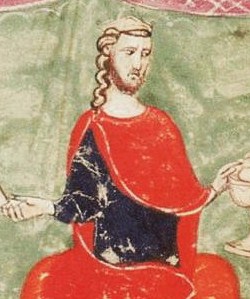
Peter III of Aragon
Peter III of Aragon, also known as Peter I of Valencia and Count of Barcelona, was a significant figure in 13th-century European history. He became King of Aragon in 1276 and expanded his influence by claiming the Kingdom of Sicily in 1282, following the Sicilian Vespers. His military prowess was evident in the Reconquista and his successful campaigns in Tunisia and Sicily. Peter's reign was marked by his strategic alliances and military actions, positioning Aragon as a formidable power in the Mediterranean.
Peter III was the eldest son of James I of Aragon and Violant of Hungary. His marriage to Constance II of Sicily, daughter of Manfred of Sicily, played a crucial role in his claim to the Sicilian throne, further extending his family's influence across Europe.

Ferdinand I of Aragon
Ferdinand I of Aragon, also known as Ferdinand of Antequera and the Just, was a pivotal figure in medieval Iberian history. As King of Aragon, Valencia, Majorca, and Sicily, he played a crucial role in the resolution of the Western Schism by deposing Antipope Benedict XIII in 1416. His notable achievements include his regency in Castile, leadership during the war against Granada, and the founding of the Order of the Jar. His reign was marked by diplomatic prowess and strategic acumen, which earned him a reputation for both honesty and effective governance.
Born in 1380, Ferdinand was the younger son of King John I of Castile and Eleanor of Aragon. His marriage to Eleanor of Alburquerque produced seven children, including Alfonso V of Aragon and John II of Aragon, who continued his legacy. Ferdinand's ascent to the Aragonese throne was facilitated by the Compromise of Caspe, following the death of his maternal uncle, King Martin I of Aragon, without legitimate heirs.
Aragon Surname Meaning, Origin, and History
The surname "Aragon" originates from the region of Aragon in northeastern Spain, which corresponds to the medieval Kingdom of Aragon. This area, known for its diverse geography and rich history, has played a significant role in Spanish history, evolving from a small county to a powerful kingdom and eventually becoming part of the Crown of Aragon. The region is recognized as a historic nationality of Spain, highlighting its cultural and historical significance.
VIEW MOREWhere to Find Genealogy Records for Aragon
We’ve analyzed YourRoots tree and records data to uncover where genealogists are finding key sources such as census, birth certificates, marriage records, and obituaries for the Aragon family. Explore our most popular genealogy record sources for the Aragon surname to learn more.
VIEW MOREAbout YourRoots
Explore your family tree geographically
Import your GEDCOM file to transform your family tree into an interactive global map. See your roots laid out visually and understand your true geographic heritage.
Powerful tools like "Trace Back To Me" instantly map your family's migration paths from a chosen ancestor all the way back to you.
Discover ancestors beyond "end-of-line" automatically
Import your family tree and let AI expand it for you. AI Ancestor Finder scans "end-of-line" ancestors to uncover their parents across hundreds of family lines at once. AI Deep Research analyzes selected ancestors and family clusters, suggesting relevant records and next steps.
Turn on Auto Research Mode to get new discoveries daily or weekly, so your tree keeps growing even while you're away.
Find more DNA matches across all DNA tests
Combine your DNA data with your family tree to unlock the full power of YourRoots DNA Match. Connect with relatives across major testing services — Ancestry, 23andMe, MyHeritage, and more.
View your matches' maps and trees to identify shared ancestors, and soon you'll be able to add them directly to your own tree and map.
Ancestry DNA analysis that goes deeper than others
Unlock exclusive reports that reveal your deeper origins.
- Deep Ancestry Report — Analyze 130+ ethnicities, sub-regions, and 1,800+ communities in one detailed view.
- Global & Native American Reports — Developed with Stanford researchers to uncover hidden ancestries across all 22 chromosomes.
- Ancient DNA Series — Compare your DNA with 1,000+ ancient genomes from Viking, Celtic, and early American civilizations.
Sign up to explore more
Create a free account to navigate family trees, view ancestors, and discover connections.
Coming Soon
We're actively working on many new features for YourRoots. Features marked v2 are ones we're planning to launch soon.
Have a particular feature request? Let us know below!