
Sign up to explore more
Create a free account to navigate family trees, view ancestors, and discover connections.


Sign up to explore more
Create a free account to navigate family trees, view ancestors, and discover connections.
Arundel Family Genealogy & History
Discover the Global Legacy of the Arundel Surname
The Arundel surname has its roots in Old English, originating from the word "Hārhūnedell," which translates to "valley of horehound." This name was first documented in the Domesday Book, solidifying its historical significance in England. Over time, the Arundel name has become emblematic of the rich history and culture associated with the market town of Arundel in West Sussex, known for its medieval castle and Roman Catholic cathedral.
Throughout the centuries, the Arundel family name became an integral part of English society. By the 12th century, it had begun to establish itself in various regions, particularly during the 13th and 14th centuries, when the family expanded across different counties. This growth was often linked to land ownership and titles, with the Arundel family tree intertwining with key areas of medieval England. As the family spread, it contributed to the complexity and richness of Arundel genealogy records.
YourRoots data provides valuable insights into the Arundel family surname, confirming its early presence in England from the 12th century. The dataset aligns with historical records, highlighting the family’s expansion during the 13th and 14th centuries and its subsequent decline in frequency within England by the 16th century. YourRoots further enriches our understanding of the Arundel genealogy by documenting the family's migration beyond England into various countries by the 17th century, reflecting the dynamic nature of the Arundel family history.
Today, the Arundel family tree offers a fascinating study for genealogy enthusiasts. The enduring presence of the Arundel surname across continents showcases its historical resilience and adaptability. YourRoots data, alongside historical records, provides a comprehensive view of the Arundel lineage, offering rich material for researchers delving into the Arundel genealogy and family records.
Find the Arundel Family Tree
Search more Arundel trees & genealogy records
Records
-
TAThomas (Sir) Arundel1454–1485Individual Tree PersonParents: Sir Arundel & Catherine ChidiocSpouse: Lady DinhamChildren: Elizabeth, Joan, Roger, Thomas, Mary, Margaret, JohnScore: ATAThomas (Sir) Arundel1454–1485Individual Tree PersonParents: Sir Arundel & Catherine ChidiocSpouse: Lady DinhamChildren: Elizabeth, Joan, Roger, Thomas, Mary, Margaret, JohnScore: A
-
CACatherine Arundel1608–1657Individual Tree PersonParents: Thomas Wardour & Lady ArundellSpouse: Ralph EureChildren: WilliamScore: ACACatherine Arundel1608–1657Individual Tree PersonParents: Thomas Wardour & Lady ArundellSpouse: Ralph EureChildren: WilliamScore: A
-
JAJoanna Fitzalan Countess of Arundel1540–1576Individual Tree PersonParents: William Percy & Lady CastleSpouse: John LumleyChildren: Sir, Thomas, Martin, Jane, JoannaScore: AJAJoanna Fitzalan Countess of Arundel1540–1576Individual Tree PersonParents: William Percy & Lady CastleSpouse: John LumleyChildren: Sir, Thomas, Martin, Jane, JoannaScore: A
-
MAMatthew Arundel1609–1619Individual Tree PersonParents: Thomas Howard & Ann NoneScore: AMAMatthew Arundel1609–1619Individual Tree PersonParents: Thomas Howard & Ann NoneScore: A
-
LALady Elizabeth Margaret Arundel1456–1513Individual Tree PersonParents: Sir Cornwall & Lady Chidioc***Spouse: Lord IVChildren: CeciliaScore: ALALady Elizabeth Margaret Arundel1456–1513Individual Tree PersonParents: Sir Cornwall & Lady Chidioc***Spouse: Lord IVChildren: CeciliaScore: A
-
EAElizabeth DeBohun Lady Countess of Arundel1350–1385Individual Tree PersonParents: William Northampton & Elisabeth BadlesmereSpouse: Richard SirChildren: ElizabethScore: AEAElizabeth DeBohun Lady Countess of Arundel1350–1385Individual Tree PersonParents: William Northampton & Elisabeth BadlesmereSpouse: Richard SirChildren: ElizabethScore: A
-
RARichard Copped Hat FitzAlan Arundel1313–1376Individual Tree PersonParents: Edmund Arundel & Alice ArundelSpouse: Isabel ArundelChildren: MaryScore: ARARichard Copped Hat FitzAlan Arundel1313–1376Individual Tree PersonParents: Edmund Arundel & Alice ArundelSpouse: Isabel ArundelChildren: MaryScore: A
-
EAElizabeth de BOHUN (FitzAlan) Countess of Arundel1350–1385Individual Tree PersonParents: Willem Hereford & Elisabeth BADLESMERESpouse: Richard SurreyChildren: Elisabeth, Thomas, Eleonore, Alice, Elizabeth, JohannaScore: AEAElizabeth de BOHUN (FitzAlan) Countess of Arundel1350–1385Individual Tree PersonParents: Willem Hereford & Elisabeth BADLESMERESpouse: Richard SurreyChildren: Elisabeth, Thomas, Eleonore, Alice, Elizabeth, JohannaScore: A
-
MAMargaret Woodville\ Wydeville, Countess of Arundel1454–1490Individual Tree PersonParents: Sir Yorkist & Jacquetta ofSpouse: Thomas ArundelChildren: Margaretha, WilliamScore: AMAMargaret Woodville\ Wydeville, Countess of Arundel1454–1490Individual Tree PersonParents: Sir Yorkist & Jacquetta ofSpouse: Thomas ArundelChildren: Margaretha, WilliamScore: A
-
LALady Elizabeth Arundel1484–1513Individual Tree PersonParents: Sir Arundell & Lady DinhamSpouse: Sir IVChildren: Lady, John, JANE, Robert, David, Thomas, Edward, Jane, Henry, Edmund, Robert, KatherineScore: ALALady Elizabeth Arundel1484–1513Individual Tree PersonParents: Sir Arundell & Lady DinhamSpouse: Sir IVChildren: Lady, John, JANE, Robert, David, Thomas, Edward, Jane, Henry, Edmund, Robert, KatherineScore: A
-
EAElizabeth Arundel1456–1513Individual Tree PersonParents: John Arundel & Catherine ChidiocSpouse: Giles DaubeneyChildren: CicelyScore: AEAElizabeth Arundel1456–1513Individual Tree PersonParents: John Arundel & Catherine ChidiocSpouse: Giles DaubeneyChildren: CicelyScore: A
-
BABeatrice L B Portugal Countess Arundel1381–1439Individual Tree PersonParents: João CuetaSpouse: Thomas Fitzalan, John HuntingdonChildren: EleanorScore: ABABeatrice L B Portugal Countess Arundel1381–1439Individual Tree PersonParents: João CuetaSpouse: Thomas Fitzalan, John HuntingdonChildren: EleanorScore: A
-
JAJane Fitzalan, Baroness of Arundel1394–1439Individual Tree PersonParents: Sir Castle & Alice BurleySpouse: Thomas Willoughby, Sir knightChildren: Lord, LordScore: AJAJane Fitzalan, Baroness of Arundel1394–1439Individual Tree PersonParents: Sir Castle & Alice BurleySpouse: Thomas Willoughby, Sir knightChildren: Lord, LordScore: A
-
RARichard FitzAlan 3rd Earl of Arundel1306–1376Individual Tree PersonParents: Edmund Arundel & Alice FitzalanSpouse: Isabella FitzAlan, Eleanor FitzAlanChildren: Richard, John, Joan, ThomasScore: ARARichard FitzAlan 3rd Earl of Arundel1306–1376Individual Tree PersonParents: Edmund Arundel & Alice FitzalanSpouse: Isabella FitzAlan, Eleanor FitzAlanChildren: Richard, John, Joan, ThomasScore: A
-
JAJohn III FITZALAN of Arundel1246–1272Individual Tree PersonParents: John Arundel & Maud BOTELERSpouse: Isabella MORTIMERChildren: Richard, MaudScore: AJAJohn III FITZALAN of Arundel1246–1272Individual Tree PersonParents: John Arundel & Maud BOTELERSpouse: Isabella MORTIMERChildren: Richard, MaudScore: A
-
JAJoan Fitzalan Lady Of Arundel1364–1404Individual Tree PersonParents: John England & Eleanor MaltraversSpouse: Willem EchynghamChildren: Sir, JoanScore: AJAJoan Fitzalan Lady Of Arundel1364–1404Individual Tree PersonParents: John England & Eleanor MaltraversSpouse: Willem EchynghamChildren: Sir, JoanScore: A
-
MAMary Arundel1610–1656Individual Tree PersonParents: Sir Wiltshire & Anne PhilipsonSpouse: John SomersetScore: AMAMary Arundel1610–1656Individual Tree PersonParents: Sir Wiltshire & Anne PhilipsonSpouse: John SomersetScore: A
-
JAJoan Neville (FitzAlan), Countess of Arundel1423–1462Individual Tree PersonParents: Sir Roses & Alice SalisburySpouse: William AlbansChildren: Thomas, WilliamScore: AJAJoan Neville (FitzAlan), Countess of Arundel1423–1462Individual Tree PersonParents: Sir Roses & Alice SalisburySpouse: William AlbansChildren: Thomas, WilliamScore: A
-
EAElizabeth Arundel1451–1483Individual Tree PersonParents: Sir Knight & Katherine ChidiockeSpouse: Giles DaubeneyChildren: CicelyScore: AEAElizabeth Arundel1451–1483Individual Tree PersonParents: Sir Knight & Katherine ChidiockeSpouse: Giles DaubeneyChildren: CicelyScore: A
-
MAMatthew Arundel1609–1620Individual Tree PersonParents: Thomas Wardour & Lady ArundellScore: AMAMatthew Arundel1609–1620Individual Tree PersonParents: Thomas Wardour & Lady ArundellScore: A
Search more trees & records for
Arundel for free
Tracing Your Arundel Family Lineage
Origin of the Arundel Family: Where does the Arundel surname come from?
The Arundel surname first appears in records during the early 12th century in England, marking the beginning of a rich genealogical history. This initial documentation provides a foundation for understanding the family's roots and connections, suggesting that the Arundel lineage may have originated in a specific locale that later served as a starting point for family trees. As families began to expand, the name carried forward, intertwining with the fabric of English society and culture during this formative period.
Genealogy and Early Family History of Arundel
Throughout the subsequent centuries, the Arundel family established itself prominently in various regions of England, particularly as records indicate significant growth in the 13th and 14th centuries. During this time, the family likely branched out, creating distinct lines that spread across different counties, contributing to a complex and interwoven family tree. Key areas of early habitation can be identified in regions that were central to medieval society, where land ownership and titles played crucial roles in the family's development.
As the Arundel family continued to flourish into the 15th century, the name became increasingly recognized, with more branches forming as descendants moved beyond their original locales. The movement of families during this period often reflected social changes and opportunities, allowing the Arundel name to resonate within local communities and beyond. This growth laid the groundwork for future generations, further enriching the family's history and connections.
Tracing the Arundel Family Tree Through the Centuries
In the 16th century, the Arundel surname began to see a decline in frequency within England, yet it laid the foundation for eventual expansion into other regions. By the 17th century, the family had started to spread beyond England, creating branches that appeared in various countries, influenced by migration and social changes. This global movement continued into the 18th and 19th centuries, where Arundel descendants could be found in diverse regions, reflecting a dynamic and evolving family history that adapted to the world around them.
In the early 20th century, the Arundel surname was still present across England and had also established roots in other parts of the world due to emigration. This dispersion across continents illustrates the adaptability and resilience of the Arundel family trees, as they interconnected with new communities while maintaining their heritage. The continued exploration and documentation of these family branches are essential for understanding the broader genealogy of the Arundel name.
Where to Find Arundel Genealogy Records Today
As we move into the modern centuries, the Arundel surname has maintained a presence in various regions, showcasing its enduring legacy. In the
Famous People with Arundel (and Their Family Tree)

Earl of Arundel
The Earl of Arundel is a prestigious title in English nobility, currently associated with the Duke of Norfolk. Created in 1138 or 1139 for William d'Aubigny, the earldom has a rich history involving notable families like the FitzAlan and Howard families. Over the centuries, the title has seen multiple creations and restorations, notably with Philip Howard and Thomas Howard in the late 16th and early 17th centuries. The title is intertwined with the history of Arundel Castle, Sussex, and has evolved alongside significant historical events, including acts of forfeiture and restoration, especially during the reigns of King Henry VI and King James I.
The origins of the Earl of Arundel title trace back to William d'Aubigny, who was married to Adeliza of Louvain. The title later passed to the FitzAlan family, a lineage that eventually contributed to the formation of the Stuart royal family. The FitzAlan line ended with the 12th Earl, after which the title transitioned to the Howard family through Mary FitzAlan's marriage to the 4th Duke of Norfolk. This lineage continues today with the FitzAlan-Howard family, emphasizing a legacy deeply rooted in English peerage history.
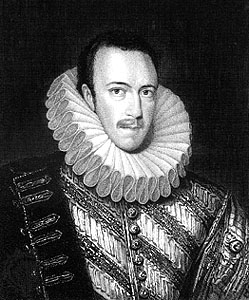
Philip Howard, 13th Earl of Arundel
Philip Howard, 13th Earl of Arundel (1557–1595), was a prominent English nobleman, canonised as one of the Forty Martyrs of England and Wales. Known for his Catholic faith during Queen Elizabeth I's Protestant reign, Howard was imprisoned in the Tower of London for ten years until his death. Despite his family's turbulent history, including his father's execution for treason, Philip became a favourite at Elizabeth's court and inherited the title of Earl of Arundel and extensive properties.
Born to Thomas Howard, 4th Duke of Norfolk, and Lady Mary FitzAlan, Philip was the only son in a lineage marked by significant political intrigue. His maternal grandfather was Henry FitzAlan, 12th Earl of Arundel, linking Philip to the influential FitzAlan family and its vast Sussex estates.

WWT Arundel

Trinity Congregational Church, Arundel
Trinity Congregational Church, later known as Union Chapel and now Nineveh House, is a distinguished Grade II Listed building in Arundel, West Sussex. Originally founded in the 1830s for Congregationalists, it played a key role in the region's Protestant Nonconformism movement. Notable figures like poet George MacDonald served as pastors, albeit briefly, before the church expanded its influence by founding other congregations in the area. By 1972, it became part of the United Reformed Church, reflecting its evolving religious landscape. Today, the building serves as the Arundel Arts, Crafts and Antiques Market, maintaining its historical and architectural significance.

South Marsh Mill, Arundel
South Marsh Mill, a significant architectural landmark in Arundel, Sussex, England, is a grade II listed tower mill with a rich history dating back to 1830. Originally functioning as a windmill, it operated by wind power until 1915 when its windshaft broke. Subsequently, it continued functioning with an engine until 1922. The mill, renowned for its five-storey structure with four Patent sails and a distinctive beehive-shaped cap, drove three pairs of millstones. Over the years, it has undergone various modifications, including the removal of its machinery around 1941 and a transformation into a residential property.
Arundel Surname Meaning, Origin, and History
The surname "Arundel" originates from the Old English "Hærhūnedell," meaning "valley of horehound," and was first recorded in the Domesday Book. Folk etymology alternatively associates it with the Old French "arondelle," meaning "swallow," which is reflected in the town's arms.
VIEW MOREWhere to Find Genealogy Records for Arundel
We’ve analyzed YourRoots tree and records data to uncover where genealogists are finding key sources such as census, birth certificates, marriage records, and obituaries for the Arundel family. Explore our most popular genealogy record sources for the Arundel surname to learn more.
VIEW MOREAbout YourRoots
Explore your family tree geographically
Import your GEDCOM file to transform your family tree into an interactive global map. See your roots laid out visually and understand your true geographic heritage.
Powerful tools like "Trace Back To Me" instantly map your family's migration paths from a chosen ancestor all the way back to you.
Discover ancestors beyond "end-of-line" automatically
Import your family tree and let AI expand it for you. AI Ancestor Finder scans "end-of-line" ancestors to uncover their parents across hundreds of family lines at once. AI Deep Research analyzes selected ancestors and family clusters, suggesting relevant records and next steps.
Turn on Auto Research Mode to get new discoveries daily or weekly, so your tree keeps growing even while you're away.
Find more DNA matches across all DNA tests
Combine your DNA data with your family tree to unlock the full power of YourRoots DNA Match. Connect with relatives across major testing services — Ancestry, 23andMe, MyHeritage, and more.
View your matches' maps and trees to identify shared ancestors, and soon you'll be able to add them directly to your own tree and map.
Ancestry DNA analysis that goes deeper than others
Unlock exclusive reports that reveal your deeper origins.
- Deep Ancestry Report — Analyze 130+ ethnicities, sub-regions, and 1,800+ communities in one detailed view.
- Global & Native American Reports — Developed with Stanford researchers to uncover hidden ancestries across all 22 chromosomes.
- Ancient DNA Series — Compare your DNA with 1,000+ ancient genomes from Viking, Celtic, and early American civilizations.
Sign up to explore more
Create a free account to navigate family trees, view ancestors, and discover connections.
Coming Soon
We're actively working on many new features for YourRoots. Features marked v2 are ones we're planning to launch soon.
Have a particular feature request? Let us know below!