
Sign up to explore more
Create a free account to navigate family trees, view ancestors, and discover connections.
Sign up to explore more
Create a free account to navigate family trees, view ancestors, and discover connections.
Bunker Family Genealogy & History
Discover the Global Legacy of the Bunker Surname
The Bunker surname first appeared in English historical records during the early 15th century, marking the inception of the Bunker family tree. This surname, like many others from the period, likely originated from a place name or occupation, though specific details are not provided. The Bunker name has since woven itself into the rich tapestry of English genealogy, reflecting the social and familial structures of the time.
During the 15th and 16th centuries, the Bunker surname entrenched itself in various English regions. As the family expanded, distinct branches emerged, setting the groundwork for future migrations. By the 17th century, the Bunker family began to migrate beyond England, with significant movement to the United States in the 18th century. This migration marked a pivotal point in Bunker genealogy, facilitating the development of a unique American lineage.
YourRoots data aligns with the historical spread of the Bunker surname, confirming its presence in England from the 15th century. The dataset highlights the evolution and expansion of the Bunker family tree, emphasizing the impact of significant historical events on their migration patterns. YourRoots enriches this narrative by providing insights into the resilience and adaptability of the Bunker family as they navigated changing social and economic landscapes.
Today, Bunker genealogy records illustrate a global presence, with the surname found across numerous countries. The YourRoots database offers a valuable resource for individuals seeking to explore their connections to the Bunker family tree. This comprehensive data provides a framework for understanding the enduring legacy of the Bunker name and its influence on genealogical research.
Find the Bunker Family Tree
Search more Bunker trees & genealogy records
Records
-
MBMacie Bunker1924–1993Individual Tree PersonParents: Moody Doss & Mary DossSpouse: Oscar DouglassScore: AMBMacie Bunker1924–1993Individual Tree PersonParents: Moody Doss & Mary DossSpouse: Oscar DouglassScore: A
-
CBCharles Nelson Bunker1852–1937Individual Tree PersonParents: Jethro Bunker & Melvina LyonsScore: ACBCharles Nelson Bunker1852–1937Individual Tree PersonParents: Jethro Bunker & Melvina LyonsScore: A
-
DBDavid Bunker1848–1908Individual Tree PersonParents: Nancy Bunker & David JrSpouse: Ellen AlgerChildren: CoryScore: ADBDavid Bunker1848–1908Individual Tree PersonParents: Nancy Bunker & David JrSpouse: Ellen AlgerChildren: CoryScore: A
-
WBWilliam Quilluame Bunker1497–1558Individual Tree PersonParents: Roger Bunker & Agnes BunkerSpouse: Ann GosselineChildren: OliverScore: AWBWilliam Quilluame Bunker1497–1558Individual Tree PersonParents: Roger Bunker & Agnes BunkerSpouse: Ann GosselineChildren: OliverScore: A
-
WBWilliam Bunker1515–1558Individual Tree PersonParents: Roger Bunker & Agnes BunkerSpouse: Ann BunkerChildren: Oliver, Joan, OliverScore: AWBWilliam Bunker1515–1558Individual Tree PersonParents: Roger Bunker & Agnes BunkerSpouse: Ann BunkerChildren: Oliver, Joan, OliverScore: A
-
ABAvis A Bunker1873–1903Individual Tree PersonParents: Cyreno Bunker & Lydia KlinesmithSpouse: Charles ThompsonChildren: Robert, LeotaScore: AABAvis A Bunker1873–1903Individual Tree PersonParents: Cyreno Bunker & Lydia KlinesmithSpouse: Charles ThompsonChildren: Robert, LeotaScore: A
-
FBFrancis William Bunker1574–1632Individual Tree PersonParents: Oliver Bunker & Joan ChandlerSpouse: Tabitha Davey, Alice CARTERChildren: Frances, Jonathan, Joseph, Joan, Jane, George, Oliver, William, JamesScore: AFBFrancis William Bunker1574–1632Individual Tree PersonParents: Oliver Bunker & Joan ChandlerSpouse: Tabitha Davey, Alice CARTERChildren: Frances, Jonathan, Joseph, Joan, Jane, George, Oliver, William, JamesScore: A
-
ABAnna Bunker1725–1784Individual Tree PersonParents: Joseph Bunker & Ann GilesSpouse: Lemuel DrewChildren: JedediahScore: AABAnna Bunker1725–1784Individual Tree PersonParents: Joseph Bunker & Ann GilesSpouse: Lemuel DrewChildren: JedediahScore: A
-
GBGeorge Bunker1600–1664Individual Tree PersonParents: George Bunker & Ellen BurrSpouse: Judith Major, Margaret WellsChildren: Martha, Jonathan, Mary, John, Elizabeth, Joseph, BenjaminScore: AGBGeorge Bunker1600–1664Individual Tree PersonParents: George Bunker & Ellen BurrSpouse: Judith Major, Margaret WellsChildren: Martha, Jonathan, Mary, John, Elizabeth, Joseph, BenjaminScore: A
-
GBGeorge Bunker1621–1658Individual Tree PersonParents: Elizabeth Hawkins & Guillaume BancoeurSpouse: Elizabeth GodfreyChildren: Ann, Marie, WilliamScore: AGBGeorge Bunker1621–1658Individual Tree PersonParents: Elizabeth Hawkins & Guillaume BancoeurSpouse: Elizabeth GodfreyChildren: Ann, Marie, WilliamScore: A
-
WBWillard Floyd Mitchell Bunker1890–1966Individual Tree PersonParents: Willard Bunker & Martha HudspethSpouse: Catherine DunlopChildren: FrancesScore: AWBWillard Floyd Mitchell Bunker1890–1966Individual Tree PersonParents: Willard Bunker & Martha HudspethSpouse: Catherine DunlopChildren: FrancesScore: A
-
MBMartha Bunker1656–1744Individual Tree PersonParents: George Bunker & Jane GodfreyScore: AMBMartha Bunker1656–1744Individual Tree PersonParents: George Bunker & Jane GodfreyScore: A
-
EBEmily Bunker1849–1921Individual Tree PersonParents: Edward Bunker & Emily AbbottSpouse: Mahomi SteeleChildren: John, Mahonri, Parley, Catherine, James, Joseph, Emily, Arthur, Alice, MaryScore: AEBEmily Bunker1849–1921Individual Tree PersonParents: Edward Bunker & Emily AbbottSpouse: Mahomi SteeleChildren: John, Mahonri, Parley, Catherine, James, Joseph, Emily, Arthur, Alice, MaryScore: A
-
EBElizabeth Bunker1792–1874Individual Tree PersonParents: William Burcher & Elizabeth PassmoreSpouse: Joseph YerkesChildren: WarrenScore: AEBElizabeth Bunker1792–1874Individual Tree PersonParents: William Burcher & Elizabeth PassmoreSpouse: Joseph YerkesChildren: WarrenScore: A
-
ABANN BUNKER1654–1698Individual Tree PersonParents: George BUNKER & Elizabeth GodfreySpouse: Joseph COLEMANChildren: Joseph, AnnScore: AABANN BUNKER1654–1698Individual Tree PersonParents: George BUNKER & Elizabeth GodfreySpouse: Joseph COLEMANChildren: Joseph, AnnScore: A
-
RBRosanna Bunker1832–1923Individual Tree PersonParents: Isaac Bunker & Emilia SlyterSpouse: Levi EnyeartChildren: Amanda, Flora, Henry, Leander, Malinda, Marion, MelissaScore: ARBRosanna Bunker1832–1923Individual Tree PersonParents: Isaac Bunker & Emilia SlyterSpouse: Levi EnyeartChildren: Amanda, Flora, Henry, Leander, Malinda, Marion, MelissaScore: A
-
HBHarriett May Bunker1872–1910Individual Tree PersonParents: Francis Bunker & Mary JohnsonScore: AHBHarriett May Bunker1872–1910Individual Tree PersonParents: Francis Bunker & Mary JohnsonScore: A
-
ABAndrew S. Bunker1865–1897Individual Tree PersonParents: Nancy Bunker & David JrScore: AABAndrew S. Bunker1865–1897Individual Tree PersonParents: Nancy Bunker & David JrScore: A
-
EBElizabeth BUNKER1646–1726Individual Tree PersonParents: George Bunker & Jane GodfreySpouse: Thomas LookChildren: ExperienceScore: AEBElizabeth BUNKER1646–1726Individual Tree PersonParents: George Bunker & Jane GodfreySpouse: Thomas LookChildren: ExperienceScore: A
-
ABAnn Bunker1654–1698Individual Tree PersonParents: George Bunker & Jane GodfreySpouse: Joseph ColemanChildren: Joseph, Ason, Deborah, AnnaScore: AABAnn Bunker1654–1698Individual Tree PersonParents: George Bunker & Jane GodfreySpouse: Joseph ColemanChildren: Joseph, Ason, Deborah, AnnaScore: A
Search more trees & records for
Bunker for free
Tracing Your Bunker Family Lineage
Origin of the Bunker Family: Where does the Bunker surname come from?
The Bunker surname first appears in historical records during the early 15th century in England. This early documentation marks the beginning of the Bunker family tree, serving as a crucial point in tracing genealogical origins. The context of the time highlights the formation of family units within English society, laying the groundwork for future generations to build upon their heritage.
Genealogy and Early Family History of Bunker
Throughout the 15th and 16th centuries, the Bunker family began to establish its presence primarily in England, with notable concentrations in various regions. As these families grew, they branched out, forming distinct lines that would later contribute to the broader family tree. The records reveal a dynamic evolution within the Bunker lineage, with families adapting to changing social and economic landscapes during these formative centuries.
By the 17th century, the Bunker family saw a marked increase in records, indicating a flourishing of family lines and the beginnings of migration patterns. This expansion coincided with significant events in English history, which likely influenced the movement and settlement of Bunker families throughout the country. As branches continued to grow, they set the stage for future migrations that would further diversify the family tree.
Tracing the Bunker Family Tree Through the Centuries
In the 18th century, the Bunker surname began to spread beyond England, with many families relocating to the United States, marking a significant transition in the family's history. The movement continued into the 19th century, as Bunker families established themselves in various regions across North America, contributing to the development of a distinct American lineage. This migration not only expanded the geographical reach of the Bunker family but also introduced new cultural influences that would shape their identity over time.
The 20th century further showcased the global spread of the Bunker surname, with families establishing roots in diverse regions around the world. As the decades progressed, the Bunker lineage became increasingly interconnected, reflecting the broader trends of globalization and migration. This expansion highlights the resilience and adaptability of the Bunker family, as they navigated the complexities of modern life while maintaining their genealogical ties.
Where to Find Bunker Genealogy Records Today
In the 21st century, the Bunker surname continues to be found across various countries, a testament to the family's enduring legacy. The global spread of the Bunker name presents an opportunity for individuals to explore their own connections to this rich genealogical heritage. Readers are encouraged to delve into the YourRoots database to uncover their own family histories and trace their unique paths within the Bunker family tree.
Famous People with Bunker (and Their Family Tree)

Chang and Eng Bunker
Chang and Eng Bunker, known as the original "Siamese twins," were conjoined brothers from Siam (now Thailand) who gained international fame in the 19th century. Born on May 11, 1811, they became American citizens and were widely exhibited in "freak shows" across the United States and Europe. Their unique condition and ability to converse in English fascinated audiences, allowing them to break free from exploitative managers and tour independently. After a decade of financial success, they settled in North Carolina, married local sisters, and fathered 21 children. Their lives have inspired numerous fictional works, symbolizing themes of cooperation or conflict, especially during the American Civil War.
Chang and Eng Bunker were born in Meklong, Siam, to a Chinese father named Ti-eye and a mother named Nak, whose ethnic background was a mix of Chinese and possibly Siamese or Malay. Their father died in a smallpox epidemic, leaving Nak to raise the twins and their siblings. Despite being conjoined at the sternum, Chang and Eng were lively children. They were discovered by Scottish merchant Robert Hunter, who later facilitated their move to the United States in 1829.

Archie Bunker
Archibald "Archie" Bunker, a fictional character from the 1970s TV sitcom "All in the Family" and its spin-off "Archie Bunker's Place," is portrayed by Carroll O'Connor. Known for his role as a gruff, bigoted yet iconic character, Archie became a cultural symbol of the "angry white male." The show, which premiered in 1971, used his interactions, especially with his liberal son-in-law Mike, to explore political and social issues. Archie's character was ranked highly in TV history, earning the number 1 spot on Bravo's "100 Greatest TV Characters" list. His frequent use of "Bunkerisms," or malapropisms, added humor and depth to his character.
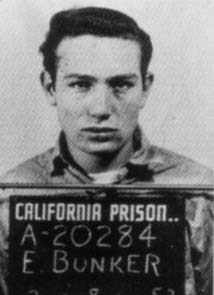
Edward Bunker
Edward Heward Bunker (1933–2005) was a renowned American author, screenwriter, and actor known for his crime fiction works. He wrote influential novels such as "No Beast So Fierce" and "Animal Factory," both adapted into films. Bunker also contributed scripts to movies like "Straight Time" and "Runaway Train," and was an actor in films including "Reservoir Dogs." His tumultuous life included a cycle of crime and incarceration, which significantly influenced his writing, making his stories authentic and compelling.
Bunker was born in Los Angeles to Sarah (née Johnston), a chorus girl from Vancouver, and Edward N. Bunker, a stage hand. His early years were marked by familial strife, including his parents' divorce, which led to a troubled childhood and rebellious behavior.
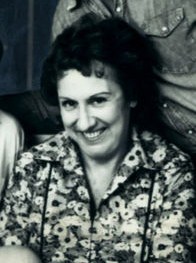
Edith Bunker
Edith Bunker is a beloved fictional character from the 1970s sitcom "All in the Family," portrayed by Jean Stapleton. Known for her kind and cheery demeanor, Edith serves as the matriarch who holds her family together, despite being less politically opinionated than her husband, Archie Bunker. A native of Scranton, Pennsylvania, she later moved to New York City, where she spent most of her life. Edith's character evolved from a "put-upon wife" to a loyal and understanding partner who frequently challenged Archie's prejudices while maintaining her optimistic nature. Her friendships with characters like Louise Jefferson and Beverly LaSalle highlight her open-mindedness and acceptance.

Clive Bunker
Clive William Bunker, born on December 30, 1946, in Luton, Bedfordshire, is a renowned British drummer best known for his tenure with the iconic rock band Jethro Tull from 1967 to 1971. Bunker contributed to the band's early success with albums like "Aqualung" and was influenced by legendary drummers such as Ginger Baker and Buddy Rich. After leaving Jethro Tull to focus on his personal life, Bunker pursued a successful career as a session musician, collaborating with artists like Robin Trower, Manfred Mann's Earth Band, and Steve Howe. He also formed the band Aviator in 1978, contributed to numerous recordings, and released his solo album "Awakening" in 1998.
Bunker Surname Meaning, Origin, and History
The surname "Bunker" is associated with a variety of notable individuals across different fields, including politics, art, and sports. It has been carried by figures such as American politicians, artists, and even the famous Thai-American conjoined twins Chang and Eng Bunker. The name also appears in popular culture, notably in the television series "All in the Family."
VIEW MOREWhere to Find Genealogy Records for Bunker
We’ve analyzed YourRoots tree and records data to uncover where genealogists are finding key sources such as census, birth certificates, marriage records, and obituaries for the Bunker family. Explore our most popular genealogy record sources for the Bunker surname to learn more.
VIEW MOREAbout YourRoots
Explore your family tree geographically
Import your GEDCOM file to transform your family tree into an interactive global map. See your roots laid out visually and understand your true geographic heritage.
Powerful tools like "Trace Back To Me" instantly map your family's migration paths from a chosen ancestor all the way back to you.
Discover ancestors beyond "end-of-line" automatically
Import your family tree and let AI expand it for you. AI Ancestor Finder scans "end-of-line" ancestors to uncover their parents across hundreds of family lines at once. AI Deep Research analyzes selected ancestors and family clusters, suggesting relevant records and next steps.
Turn on Auto Research Mode to get new discoveries daily or weekly, so your tree keeps growing even while you're away.
Find more DNA matches across all DNA tests
Combine your DNA data with your family tree to unlock the full power of YourRoots DNA Match. Connect with relatives across major testing services — Ancestry, 23andMe, MyHeritage, and more.
View your matches' maps and trees to identify shared ancestors, and soon you'll be able to add them directly to your own tree and map.
Ancestry DNA analysis that goes deeper than others
Unlock exclusive reports that reveal your deeper origins.
- Deep Ancestry Report — Analyze 130+ ethnicities, sub-regions, and 1,800+ communities in one detailed view.
- Global & Native American Reports — Developed with Stanford researchers to uncover hidden ancestries across all 22 chromosomes.
- Ancient DNA Series — Compare your DNA with 1,000+ ancient genomes from Viking, Celtic, and early American civilizations.
Sign up to explore more
Create a free account to navigate family trees, view ancestors, and discover connections.
Coming Soon
We're actively working on many new features for YourRoots. Features marked v2 are ones we're planning to launch soon.
Have a particular feature request? Let us know below!