
Sign up to explore more
Create a free account to navigate family trees, view ancestors, and discover connections.

Sign up to explore more
Create a free account to navigate family trees, view ancestors, and discover connections.
Fort Family Genealogy & History
Discover the Global Legacy of the Fort Surname
The Fort surname has its origins in Wales, emerging during the 14th century. Initially found in Welsh records, it signifies a historical lineage that is deeply interwoven with the cultural narratives of the region. Over time, the Fort name has evolved, branching out into various regions and establishing itself as a surname of notable historical interest.
As history progressed, the Fort surname began to spread notably in England, particularly during the late medieval period. This expansion marked the beginning of a more pronounced presence, with families establishing themselves across different English territories. By the 17th century, the Fort family tree had expanded significantly, with many members migrating to new territories, laying the foundation for its eventual spread to other parts of the world.
YourRoots dataset confirms the Welsh origins of the Fort surname, tracing its presence back to the 14th century. This aligns with the historical records of Fort families spreading through England and later venturing into the United States during the 18th century. The YourRoots data enriches our understanding of these migrations, highlighting the interconnectedness of Fort family lines across continents and generations.
For genealogy enthusiasts, YourRoots provides a valuable resource for exploring Fort genealogy. The Fort records within the database offer insights into how this surname has evolved over time, supporting researchers in tracing their lineage and uncovering connections within their family history. This continuity between historical narratives and genealogical data underscores the importance of resources like YourRoots in mapping the Fort family tree.
Find the Fort Family Tree
Search more Fort trees & genealogy records
Records
-
GFGladys May Fort1890–1975Individual Tree PersonParents: William Fort & Adelaide RustonSpouse: James JohnsChildren: unkScore: AGFGladys May Fort1890–1975Individual Tree PersonParents: William Fort & Adelaide RustonSpouse: James JohnsChildren: unkScore: A
-
EFElla Mary Fort1908–1985Individual Tree PersonParents: William Fort & Alice EadeSpouse: Auguste Barberel, Horace WrightScore: AEFElla Mary Fort1908–1985Individual Tree PersonParents: William Fort & Alice EadeSpouse: Auguste Barberel, Horace WrightScore: A
-
EFElizabeth Rose Fort1875–1875Individual Tree PersonParents: Adam Fort & Rosannah SmithScore: AEFElizabeth Rose Fort1875–1875Individual Tree PersonParents: Adam Fort & Rosannah SmithScore: A
-
DFDorothy Fort1897–1972Individual Tree PersonParents: Otto Fort & Olive PurceScore: ADFDorothy Fort1897–1972Individual Tree PersonParents: Otto Fort & Olive PurceScore: A
-
WFWilliam Henry Fort1835–1899Individual Tree PersonParents: David Fort & Elizabeth ClappertonSpouse: Ann WiseChildren: Elizabeth, Adam, John, William, Jessie, David, Edward, Mary, Walter, Agnes, MaryScore: AWFWilliam Henry Fort1835–1899Individual Tree PersonParents: David Fort & Elizabeth ClappertonSpouse: Ann WiseChildren: Elizabeth, Adam, John, William, Jessie, David, Edward, Mary, Walter, Agnes, MaryScore: A
-
MFMalcolm Doyle Fort1933–1986Individual Tree PersonParents: John Fort & Ollie FrazierScore: AMFMalcolm Doyle Fort1933–1986Individual Tree PersonParents: John Fort & Ollie FrazierScore: A
-
DFDrury Fort1725–1788Individual Tree PersonParents: John Fort & Mary NoneSpouse: Lydia Holmes, Lydia HolmesChildren: Lydia, Drury, Daniel, Louisa, William, Arthur, DruryScore: ADFDrury Fort1725–1788Individual Tree PersonParents: John Fort & Mary NoneSpouse: Lydia Holmes, Lydia HolmesChildren: Lydia, Drury, Daniel, Louisa, William, Arthur, DruryScore: A
-
ZFZenith Julia (Zena) Fort1909–1964Individual Tree PersonParents: George Fort & Julia LudwigSpouse: Carlisle MeltonScore: AZFZenith Julia (Zena) Fort1909–1964Individual Tree PersonParents: George Fort & Julia LudwigSpouse: Carlisle MeltonScore: A
-
AFAbraham Fort1731–1822Individual Tree PersonParents: Jacob Fort & Sara DeWandelaerSpouse: Eva Bennoit, Sarah VanWoertChildren: Jemima, Margarita, Jacob, Fort, Sarah, AnnatjeScore: AAFAbraham Fort1731–1822Individual Tree PersonParents: Jacob Fort & Sara DeWandelaerSpouse: Eva Bennoit, Sarah VanWoertChildren: Jemima, Margarita, Jacob, Fort, Sarah, AnnatjeScore: A
-
AFAnthony Fort1820–1890Individual Tree PersonParents: Rob Fort & Jane (Jenny)Spouse: Alice LawrensonChildren: James, Ellen, Thomas, Mary, Jane, AnnScore: AAFAnthony Fort1820–1890Individual Tree PersonParents: Rob Fort & Jane (Jenny)Spouse: Alice LawrensonChildren: James, Ellen, Thomas, Mary, Jane, AnnScore: A
-
MFMajor Elias Bolivar Fort1825–1899Individual Tree PersonParents: Elias Fort & Martha BattleScore: AMFMajor Elias Bolivar Fort1825–1899Individual Tree PersonParents: Elias Fort & Martha BattleScore: A
-
WFWalter Herbert (Wattie) Fort1877–1959Individual Tree PersonParents: William Fort & Ann WiseSpouse: Rose SheppardChildren: Thelma, William, HerbertScore: AWFWalter Herbert (Wattie) Fort1877–1959Individual Tree PersonParents: William Fort & Ann WiseSpouse: Rose SheppardChildren: Thelma, William, HerbertScore: A
-
EFEliza Ann Fort1820–1858Individual Tree PersonParents: Burwell Fort & Nancy NorthingtonSpouse: David BrownChildren: Albert, James, William, Oliver, John, David, Calvin, Jefferson, George, FNUScore: AEFEliza Ann Fort1820–1858Individual Tree PersonParents: Burwell Fort & Nancy NorthingtonSpouse: David BrownChildren: Albert, James, William, Oliver, John, David, Calvin, Jefferson, George, FNUScore: A
-
AFAmy Fort1882–1971Individual Tree PersonParents: Sizers Fort & Ciss NewsomSpouse: Vaughn TaylorChildren: Louise, NedScore: AAFAmy Fort1882–1971Individual Tree PersonParents: Sizers Fort & Ciss NewsomSpouse: Vaughn TaylorChildren: Louise, NedScore: A
-
EFEsma Gladys Fort1916–2020Individual Tree PersonParents: George Fort & Julia LudwigScore: AEFEsma Gladys Fort1916–2020Individual Tree PersonParents: George Fort & Julia LudwigScore: A
-
OFObedience Fort1771–1847Individual Tree PersonParents: Elias Fort & Sarah SuggSpouse: David SmithChildren: Obedience, Sarah, PietyScore: AOFObedience Fort1771–1847Individual Tree PersonParents: Elias Fort & Sarah SuggSpouse: David SmithChildren: Obedience, Sarah, PietyScore: A
-
JFJulia Ann Fort1840–1916Individual Tree PersonParents: Elbert Fort & Margaret ShaferSpouse: Abijah BishopChildren: LillieScore: AJFJulia Ann Fort1840–1916Individual Tree PersonParents: Elbert Fort & Margaret ShaferSpouse: Abijah BishopChildren: LillieScore: A
-
SFSallie Fort1858–1952Individual Tree PersonParents: David Fort & Margarett NoneSpouse: Calop BarberChildren: El, Mason, William, Jimmie, John, Sallie, Reethus, William, ElizabethScore: ASFSallie Fort1858–1952Individual Tree PersonParents: David Fort & Margarett NoneSpouse: Calop BarberChildren: El, Mason, William, Jimmie, John, Sallie, Reethus, William, ElizabethScore: A
-
AFAndrew Jackson Fort1831–1911Individual Tree PersonParents: William M.D. & Martha GorhamSpouse: Missouri GorhamChildren: Frances, William, Henry, MaryScore: AAFAndrew Jackson Fort1831–1911Individual Tree PersonParents: William M.D. & Martha GorhamSpouse: Missouri GorhamChildren: Frances, William, Henry, MaryScore: A
-
EFEstella Louisa Fort1904–1991Individual Tree PersonParents: William Fort & Fanny JonesSpouse: Percy RobertsScore: AEFEstella Louisa Fort1904–1991Individual Tree PersonParents: William Fort & Fanny JonesSpouse: Percy RobertsScore: A
Search more trees & records for
Fort for free
Tracing Your Fort Family Lineage
Origin of the Fort Family: Where does the Fort surname come from?
The Fort surname finds its earliest known appearance in Wales during the 14th century, marking a significant point in the genealogical timeline for families bearing this name. This initial record connects to the foundational roots of the Fort family, suggesting the beginnings of a lineage that would expand and evolve over the centuries. The Welsh origins hint at a rich cultural heritage interwoven with the historical narratives of the region.
Genealogy and Early Family History of Fort
In the following centuries, the Fort family began to spread notably, particularly in England, where significant populations emerged during the late medieval period. The family's presence became more pronounced in England throughout the 15th and 16th centuries, reflecting migrations and the establishment of family branches that would adapt to the changing societal landscapes. This growth led to the development of various family lines, each contributing to the broader Fort family tree.
As the Fort family trees branched out, they began to establish roots in key regions across England. The 17th century marked a pivotal era, as many Fort families ventured into new territories, setting the stage for future migrations that would impact the surname's global distribution. These early developments laid the groundwork for the interconnectedness of Fort families throughout subsequent generations.
Tracing the Fort Family Tree Through the Centuries
The expansion of the Fort surname continued robustly across regions over the centuries, particularly into the United States. In the 18th century, a notable influx of Fort families occurred, establishing a strong presence that would flourish in the following century, as many sought new opportunities in this emerging nation. This transatlantic migration not only diversified the Fort family tree but also intertwined it with broader historical movements, reflecting the experiences of countless families during this period.
Throughout the 19th century, the Fort surname solidified its place in the United States, with families continuing to grow and spread across various states. The subsequent century saw the Fort lineage adapt and thrive, contributing to the rich tapestry of American genealogy. Families with the Fort surname can be found in diverse regions, showcasing the continued evolution and branching of their family trees.
Where to Find Fort Genealogy Records Today
In contemporary times, the Fort surname remains widely represented, particularly in the United States, where its presence has significantly increased over the 20th and 21st centuries. The global spread of the Fort surname invites individuals to delve into their ancestral roots and uncover connections to their family history. For those interested in tracing their lineage, exploring the Fort genealogy records in the YourRoots database can provide valuable insights and help connect the dots in their own family trees.
Famous People with Fort (and Their Family Tree)

Jeff Fort
Jeff Fort, also known as Abdul Malik Ka'bah, is a notorious figure in American criminal history, emerging as a prominent gangster and gang kingpin from Chicago, Illinois. Co-founding the Black P. Stones gang and later the El Rukn faction, Fort's influence extended through organized crime, political activism, and controversial engagements, including a conspiracy with Libya. His career highlights include leading a coalition of gangs, receiving federal grants for job programs, and his late conversion to Islam. Despite his criminal convictions for conspiracy, murder, and drug trafficking, Fort's leadership and strategic acumen left a lasting impact on Chicago's gang landscape.
Jeff Fort was the second of ten children born to John Fort and Annie Fort (née Bacon) in Aberdeen, Mississippi. The family relocated to Chicago's South Side, shaping Fort's early life and eventual involvement in gang activities. His family's move to the Woodlawn neighborhood in 1955 marked the beginning of Fort's entanglement with local gangs, ultimately leading to his significant role in organized crime and community dynamics.
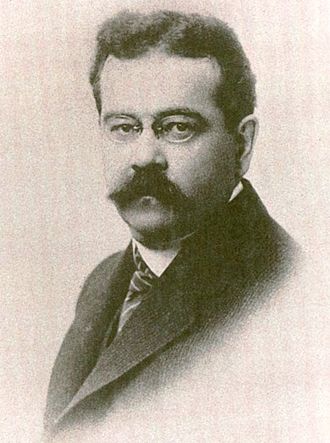
Charles Fort
Charles Hoy Fort (1874–1932) was an influential American writer and researcher known for his exploration of anomalous phenomena, which inspired the terms "Fortean" and "Forteana." His work, including "The Book of the Damned," challenged conventional scientific boundaries and influenced science fiction. Fort's ideas continue to captivate enthusiasts, known as "Forteans," and have inspired publications like the Fortean Times, dedicated to investigating unexplained phenomena. Despite initial publishing setbacks, Fort's career flourished after inheriting funds that allowed him to write full-time, leading to a lasting legacy in the literary and scientific communities.
Fort was born in Albany, New York, in 1874, and was of Dutch ancestry. His father, a grocer, was authoritarian and abusive, an experience that likely influenced Fort's skepticism of authority. Fort's childhood friend Anna Filing became his wife in 1896, and his family life included a brother, Clarence, who passed away in 1917, impacting Fort's financial situation through inheritance.
Matthew Fort
Matthew Fort is a prominent British food writer and critic, celebrated for his roles as the Food and Drink editor of The Guardian and a judge on the BBC series Great British Menu. His contributions extend to publications like Esquire, The Observer, and Country Living. Fort's notable works include "Rhubarb and Black Pudding" and "Eating up Italy: Voyages on a Vespa." A recipient of the Glenfiddich Food Writer of the Year (1992) and Restaurant Writer of the Year (1993) awards, he has significantly influenced culinary journalism. His collaborations with renowned chefs like Nigel Slater and Rick Stein further highlight his impact in the field.
Matthew Fort is the son of Richard Fort, a Conservative MP, and has a brother, Tom Fort, who is also a writer. His father passed away when Matthew was 12 years old. Fort's educational background includes attending Eton College and Lancaster University, establishing a strong foundation for his illustrious career in food writing.

Cornelia Fort
Cornelia Clark Fort was an American aviator known for her significant contributions during World War II. As a civilian pilot instructor, she was the first U.S. pilot to encounter the Japanese air fleet during the Pearl Harbor attack on December 7, 1941. Fort later became the second woman to join the Women Airforce Service Pilots (WASP), ferrying military planes across the United States. Tragically, she became the first female pilot to die on active duty in 1943. Fort's legacy is honored through the Cornelia Fort Airpark in Nashville, and her story is immortalized in the film Tora! Tora! Tora!
Cornelia Fort was born to a prominent family in Nashville, Tennessee, on February 5, 1919. Her father, Rufus Elijah Fort, co-founded the National Life and Accident Insurance Company, signifying the family’s affluence and influence in the region.

Ricardo Fort
Ricardo Aníbal Fort Campa was a prominent Argentine socialite, entrepreneur, and television director, known for his impactful yet brief career from 2009 to 2013. He gained fame through his participation in the reality show "El musical de tus sueños" and as a judge on "Bailando por un Sueño 2010." Ricardo Fort also ventured into business, creating the Fortmen clothing line and releasing a music single titled "No volverás." His dynamic presence on Argentine television made him one of the country's most recognized personalities.
Ricardo Fort hailed from a notable family with deep roots in Argentina's business landscape. His grandfather, Felipe Fort, founded the Felfort confectionery company in 1912, a leading name in Argentina's confectionery industry. After Felipe's death in 1969, Ricardo's father, Carlos Augusto Fort, took over the company. Ricardo shared a close bond with his mother, Marta Campa, an opera singer, further highlighting the diverse talents within his family.
Fort Surname Meaning, Origin, and History
The surname "Fort" is associated with a diverse group of individuals, predominantly from America, who have made notable contributions in various fields such as politics, sports, literature, and the arts. While the surname spans several professions, it is particularly prominent among American politicians and cultural figures from the 19th and 20th centuries.
VIEW MOREWhere to Find Genealogy Records for Fort
We’ve analyzed YourRoots tree and records data to uncover where genealogists are finding key sources such as census, birth certificates, marriage records, and obituaries for the Fort family. Explore our most popular genealogy record sources for the Fort surname to learn more.
VIEW MOREAbout YourRoots
Explore your family tree geographically
Import your GEDCOM file to transform your family tree into an interactive global map. See your roots laid out visually and understand your true geographic heritage.
Powerful tools like "Trace Back To Me" instantly map your family's migration paths from a chosen ancestor all the way back to you.
Discover ancestors beyond "end-of-line" automatically
Import your family tree and let AI expand it for you. AI Ancestor Finder scans "end-of-line" ancestors to uncover their parents across hundreds of family lines at once. AI Deep Research analyzes selected ancestors and family clusters, suggesting relevant records and next steps.
Turn on Auto Research Mode to get new discoveries daily or weekly, so your tree keeps growing even while you're away.
Find more DNA matches across all DNA tests
Combine your DNA data with your family tree to unlock the full power of YourRoots DNA Match. Connect with relatives across major testing services — Ancestry, 23andMe, MyHeritage, and more.
View your matches' maps and trees to identify shared ancestors, and soon you'll be able to add them directly to your own tree and map.
Ancestry DNA analysis that goes deeper than others
Unlock exclusive reports that reveal your deeper origins.
- Deep Ancestry Report — Analyze 130+ ethnicities, sub-regions, and 1,800+ communities in one detailed view.
- Global & Native American Reports — Developed with Stanford researchers to uncover hidden ancestries across all 22 chromosomes.
- Ancient DNA Series — Compare your DNA with 1,000+ ancient genomes from Viking, Celtic, and early American civilizations.
Sign up to explore more
Create a free account to navigate family trees, view ancestors, and discover connections.
Coming Soon
We're actively working on many new features for YourRoots. Features marked v2 are ones we're planning to launch soon.
Have a particular feature request? Let us know below!