
Sign up to explore more
Create a free account to navigate family trees, view ancestors, and discover connections.

Sign up to explore more
Create a free account to navigate family trees, view ancestors, and discover connections.
Gill Family Genealogy & History
Discover the Global Legacy of the Gill Surname
The surname Gill is multifaceted, with its origins rooted in various cultures across the globe. In Europe, it traces back to the Dutch form of Giles and serves as a hypocorism for names like Julian, William, and Gillian in English. Additionally, in Northern English, Scots, and Norwegian traditions, it is a topographic name derived from the Old Norse word 'gil', meaning 'ravine'. In the Indian subcontinent, particularly in Punjab, the Gill surname is associated with a clan of Jats and Ramgharias, where it signifies 'moisture' in Punjabi. Meanwhile, in Hebrew, it is a given name meaning 'joy', and in Korean, it is a common personal name.
The geographical and cultural spread of the Gill surname is a testament to its diverse origins. In Europe, the name evolved from being an anglicized form of Scottish and Irish patronymics like McGill or Mac Gille. Meanwhile, in India, the Gill Jat clan has a rich oral history, suggesting connections to ancient tribes and places. Migration patterns facilitated the global spread of the Gill family tree, extending its roots to North America, Australia, and beyond, as people moved and intermarried, enriching the cultural tapestry of the Gill genealogy.
YourRoots data provides a valuable resource for those tracing the Gill family tree, confirming the surname's emergence in England and its subsequent expansion. The data highlights how the Gill family established itself in England during the late medieval period, with significant branching out in the early modern era. As migration increased in the 18th and 19th centuries, the Gill surname spread across the Atlantic, embedding itself in the United States and later extending to countries like Canada and Australia. This expansion aligns with the broader historical narratives of migration and settlement patterns.
For genealogy enthusiasts, YourRoots offers a comprehensive repository of Gill records, presenting an opportunity to delve into the rich legacy of this surname. By exploring these records, researchers can uncover the intricate connections and historical narratives that have shaped the Gill family tree over the centuries, gaining a deeper understanding of their own heritage and familial ties.
Find the Gill Family Tree
Search more Gill trees & genealogy records
Records
-
RGRuth Sylvia Gill1908–1993Public Tree Person3 treesScore: ARGRuth Sylvia Gill1908–1993Public Tree Person3 treesScore: A
-
SGSamuel Gill1651–1709Public Tree Person3 treesScore: ASGSamuel Gill1651–1709Public Tree Person3 treesScore: A
-
TGTheodore Henry Gill1906–1984Public Tree Person3 treesScore: ATGTheodore Henry Gill1906–1984Public Tree Person3 treesScore: A
-
MGMartha Elizabeth Gill1866–1940Individual Tree PersonParents: James Gill & Elizabeth MatherSpouse: George Mort, Charles NormentonScore: AMGMartha Elizabeth Gill1866–1940Individual Tree PersonParents: James Gill & Elizabeth MatherSpouse: George Mort, Charles NormentonScore: A
-
JGJohn Gill1845–1918Individual Tree PersonParents: Isaac Gill & Harriet HallSpouse: Minerva GillChildren: CharlesScore: AJGJohn Gill1845–1918Individual Tree PersonParents: Isaac Gill & Harriet HallSpouse: Minerva GillChildren: CharlesScore: A
-
EGEdison Brooks GILL1921–2011Individual Tree PersonParents: Thomas GILL & Eura GillSpouse: Mary GillScore: AEGEdison Brooks GILL1921–2011Individual Tree PersonParents: Thomas GILL & Eura GillSpouse: Mary GillScore: A
-
JGJohn Zedekiah Gill1891–1971Individual Tree PersonParents: William Gill & Margaret McAllisterSpouse: Almira JacobsChildren: Edwin, Dorothy, John, Bonnie, Walter, Leola, Margaret, Phyllis, ShirleyScore: AJGJohn Zedekiah Gill1891–1971Individual Tree PersonParents: William Gill & Margaret McAllisterSpouse: Almira JacobsChildren: Edwin, Dorothy, John, Bonnie, Walter, Leola, Margaret, Phyllis, ShirleyScore: A
-
SGSarah Jane Gill1860–1923Individual Tree PersonParents: George Gill & Ann MerrifieldScore: ASGSarah Jane Gill1860–1923Individual Tree PersonParents: George Gill & Ann MerrifieldScore: A
-
AGAlice Gill1847–1896Individual Tree PersonParents: George Gill & Sarah GillSpouse: Thomas Roughley, Thomas RoughleyChildren: George, Mary, George, sarah, Mary, sarahScore: AAGAlice Gill1847–1896Individual Tree PersonParents: George Gill & Sarah GillSpouse: Thomas Roughley, Thomas RoughleyChildren: George, Mary, George, sarah, Mary, sarahScore: A
-
EGElizabeth Gill1738–1827Individual Tree PersonParents: Thomas 🧬 & Temperance .Spouse: Michael GillChildren: Michael, Michael, Richard, AnnScore: AEGElizabeth Gill1738–1827Individual Tree PersonParents: Thomas 🧬 & Temperance .Spouse: Michael GillChildren: Michael, Michael, Richard, AnnScore: A
-
TGTheodore Gill1872–1954Individual Tree PersonParents: Benton Gill & Permilla GillSpouse: Dominica HornChildren: Theodore, Mary, DominicaScore: ATGTheodore Gill1872–1954Individual Tree PersonParents: Benton Gill & Permilla GillSpouse: Dominica HornChildren: Theodore, Mary, DominicaScore: A
-
JGJohn Gill1625–1711Individual Tree PersonParents: William GILL & Wyllmot TrendChildren: NathanielScore: AJGJohn Gill1625–1711Individual Tree PersonParents: William GILL & Wyllmot TrendChildren: NathanielScore: A
-
HGHiley Gill1898–1987Individual Tree PersonParents: Cornelius Gill & Mary ShankSpouse: Irene SchumacherChildren: RobertScore: AHGHiley Gill1898–1987Individual Tree PersonParents: Cornelius Gill & Mary ShankSpouse: Irene SchumacherChildren: RobertScore: A
-
JGJoseph William Gill1902–1989Individual Tree PersonParents: George Gill & Virginia GillSpouse: Grace GillScore: AJGJoseph William Gill1902–1989Individual Tree PersonParents: George Gill & Virginia GillSpouse: Grace GillScore: A
-
HGHazel Irene Gill1899–1983Individual Tree PersonParents: Wesley Gill & Rachel SwainSpouse: William KingChildren: Beatrice, Harry, Charles, Alverta, William, Mitchell, Orbie, JamesScore: AHGHazel Irene Gill1899–1983Individual Tree PersonParents: Wesley Gill & Rachel SwainSpouse: William KingChildren: Beatrice, Harry, Charles, Alverta, William, Mitchell, Orbie, JamesScore: A
-
EGElsie E. Gill1863–1923Individual Tree PersonParents: John Gill & Sarah ErvinSpouse: William BleeksChildren: Carrie, Charles, Walter, OraScore: AEGElsie E. Gill1863–1923Individual Tree PersonParents: John Gill & Sarah ErvinSpouse: William BleeksChildren: Carrie, Charles, Walter, OraScore: A
-
VGViolet Lillian "Tibby" Gill1913–1992Individual Tree PersonParents: Violet Denners & Violet (Denners)Spouse: Frederick Lenschmidt, George MarcielChildren: KatherineScore: AVGViolet Lillian "Tibby" Gill1913–1992Individual Tree PersonParents: Violet Denners & Violet (Denners)Spouse: Frederick Lenschmidt, George MarcielChildren: KatherineScore: A
-
JGJohn Gill1624–1690Individual Tree PersonParents: Thomas Gyll & Edythe MurraySpouse: Phoebe Buswell, Phoebe GillChildren: Benjamin, Moses, Isaac, Elizabeth, Sarah, John, Phebe, Rebecca, Susannah, Tohn, Elizabeth, Benjamin, Isaac, Moses, Susannah, Rebecca, Phebe, John, Tohn, Elizabeth, Susannah, Benjamin, Susannah, Elizabeth, Phebe, Isaac, John, Sarah, Elizabeth, Sarah, Sarah, SamuelScore: AJGJohn Gill1624–1690Individual Tree PersonParents: Thomas Gyll & Edythe MurraySpouse: Phoebe Buswell, Phoebe GillChildren: Benjamin, Moses, Isaac, Elizabeth, Sarah, John, Phebe, Rebecca, Susannah, Tohn, Elizabeth, Benjamin, Isaac, Moses, Susannah, Rebecca, Phebe, John, Tohn, Elizabeth, Susannah, Benjamin, Susannah, Elizabeth, Phebe, Isaac, John, Sarah, Elizabeth, Sarah, Sarah, SamuelScore: A
-
PGPermilla Gill1842–1876Individual Tree PersonParents: Hiram Pyle & Catherine DrySpouse: Benton GillChildren: Catherine, Peter, Nellie, Theodore, AugustusScore: APGPermilla Gill1842–1876Individual Tree PersonParents: Hiram Pyle & Catherine DrySpouse: Benton GillChildren: Catherine, Peter, Nellie, Theodore, AugustusScore: A
-
TGTrudie Gill1901–1976Individual Tree PersonParents: James Gill & Nancy LeachScore: ATGTrudie Gill1901–1976Individual Tree PersonParents: James Gill & Nancy LeachScore: A
Search more trees & records for
Gill for free
Tracing Your Gill Family Lineage
Origin of the Gill Family: Where does the Gill surname come from?
The Gill surname first appeared in England, marking the beginning of a rich genealogical history. This earliest known record connects the Gill family to its roots in the British Isles, initiating a lineage that would expand and evolve over centuries. The historical context of the time indicates a developing society where surnames began to take on significance, helping to shape family identities and connections.
Genealogy and Early Family History of Gill
In its early centuries, the Gill family established a presence primarily in England, particularly during the late medieval period. Key regions where Gill family lines are documented include various counties across England, showcasing how these families branched out and diversified. As they settled into different areas, their family trees began to grow, intertwining with other local families and communities.
During the early modern period, the Gill family experienced further expansion as individuals migrated and established new branches of their lineage. This movement laid the foundation for future generations, creating a tapestry of connections that would span across generations and regions. The evolution of the Gill family reflects a dynamic interplay of local and broader social forces that shaped their historical narrative.
Tracing the Gill Family Tree Through the Centuries
As the centuries progressed, the Gill surname began to spread beyond England, particularly in the wake of migration patterns in the 18th century. Families with the Gill surname found new homes in the United States, where they flourished and multiplied significantly during the 19th century. This migration not only expanded their geographical presence but also enriched their genealogical narrative, linking them to diverse cultural backgrounds.
In the 19th and early 20th centuries, the Gill family continued to establish a global footprint, with records emerging from various countries, including Canada and Australia. The surname's adaptability and resilience allowed it to blend into different societies while maintaining its distinct identity. As families continued to grow and spread, they contributed to the larger story of the Gill lineage, emblematic of the broader patterns of migration and settlement.
Where to Find Gill Genealogy Records Today
In the modern centuries, the Gill surname is still prevalent, particularly in the United States, where it has become well established. The late 20th and early 21st centuries have seen a renewed interest in genealogy, allowing descendants to reconnect with their heritage and discover their family history. Readers are encouraged to explore the YourRoots database for Gill genealogy records to trace their own family trees and uncover the rich legacy of the Gill family.
Famous People with Gill (and Their Family Tree)

Vince Gill
Vince Gill, born Vincent Grant Gill on April 12, 1957, in Norman, Oklahoma, is a celebrated American singer, songwriter, and musician. Renowned for his tenor voice, lead guitar skills, and prolific songwriting, he gained fame as the lead singer of Pure Prairie League and later as a successful solo country artist. With 65 Billboard Hot Country Songs entries, four solo number-one hits, and 22 Grammy Awards, Gill's career highlights include collaborations with Reba McEntire, Chris Young, and the Eagles. His albums, notably "When I Call Your Name" and "I Still Believe in You," achieved platinum status in the 1990s, solidifying his legacy in the music industry.
Vince Gill is the youngest of three children born to Jerene and Stan Gill. Stan, a judge who also played guitar and banjo, taught Vince these instruments, while Jerene sang and played harmonica. The family enjoyed listening to the Grand Ole Opry and rock and roll, fostering Gill's early musical interests. His musical journey began with a guitar owned by his grandmother and continued with lessons from local guitarist J. Julian Akins, setting the foundation for his future career.

Johnny Gill
Johnny Gill Jr., born on May 22, 1966, in Washington, D.C., is a renowned American singer and songwriter known for his role as the final member of the iconic R&B/pop group New Edition. His illustrious career includes eight solo albums, notable hits like "My, My, My" and "Rub You the Right Way," and collaborations with supergroup LSG alongside Gerald Levert and Keith Sweat. Gill's achievements also span the stage and screen, with numerous television and film appearances, and accolades such as Grammy nominations and Soul Train Awards, cementing his legacy in the music industry.
Johnny Gill was born to Johnny Gill Sr., a Baptist minister, and Annie Mae Gill. He grew up in a musically inclined family with three brothers—Bobby, Jeff, and Randy Gill, who is also a recording artist. From a young age, Johnny showcased his talent, performing in church with his family gospel group, Little Johnny and "Wings of Faith," which laid the foundation for his successful music career.

Gurinder Gill
Gurinderbir Singh Gill, born on 14 September 1996, is an influential Indian-born Canadian rapper-singer in the Punjabi music scene. He gained prominence with tracks like "Majhail" and "Brown Munde," which charted on the UK Asian and Punjabi music charts. Gurinder's debut EP, "Not by Chance," was released in December 2020, further cementing his position in the industry. Collaborating with label-mates AP Dhillon, Shinda Kahlon, and Gminxr under Run-Up Records, Gill started his career in 2019 with the single "Faraar." His popular singles include "Droptop" and "Excuses," which achieved significant chart success in the UK.
Gurinder Gill was born into a Sikh family in Punjab, India, before moving to Canada to pursue his music career.
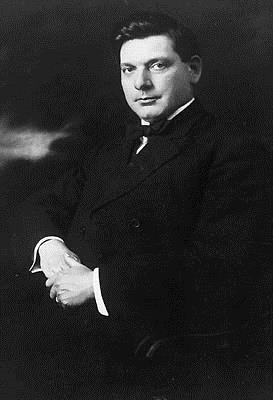
Irving Gill
Irving John Gill, an influential American architect, was a pioneer of modern architecture in Southern California, particularly in San Diego and Los Angeles. His innovative use of concrete helped shape the architectural landscape, with several of his buildings, like the George W. Marston House and La Jolla Woman's Club, earning historic recognition. Known for blending revivalist styles with modernist principles, Gill's work is preserved through listings on the National Register of Historic Places. His collaborations included partnerships with notable figures like Joseph Falkenham and William S. Hebbard, and he influenced future architects like Hazel Wood Waterman.
Irving Gill was born on April 26, 1870, in Tully, New York, to Joseph and Cynthia Scullen Gill. His father worked as a farmer and later as a carpenter.

Amardeep Singh Gill
Amardeep Singh Gill, born on 8 October 1968, is a prominent figure in Punjabi cinema and music, excelling as a director, screenwriter, producer, and lyricist. Known for his work on hit songs such as "Sili Sili Hawa" and films like "Jora 10 Numbaria," Gill has made significant contributions to the industry. His career began as a lyricist, crafting popular tracks before transitioning to film direction with the short film "Sutta Naag" in 2014. He continued to showcase his talents in screenwriting and direction with the movie "Yoddha: The Warrior," featuring notable actors such as Deep Sidhu and Dharmendra.
Amardeep Singh Gill was born into a Jatt-Sikh family in Bathinda, Punjab, with ancestral roots in Gholia Kalan, Moga district. His educational background includes a master's degree in Punjabi from Punjabi University, highlighting his deep connection to Punjabi culture and heritage.
Gill Surname Meaning, Origin, and History
The surname "Gill" has diverse origins across different regions. In Europe, it can be a variation of the given name Giles or a topographic name from Old Norse, meaning 'ravine,' and may also be an anglicized form of the Scottish or Irish patronymic McGill. In the Indian subcontinent, particularly in Punjab, it is a clan name among the Jats and is linked to the Punjabi word for 'moisture,' with various cultural tales and historical connections. In Hebrew, "Gill" is a masculine given name meaning "joy," and in Korea, it is a common personal name often transliterated as Gil.
VIEW MOREWhere to Find Genealogy Records for Gill
We’ve analyzed YourRoots tree and records data to uncover where genealogists are finding key sources such as census, birth certificates, marriage records, and obituaries for the Gill family. Explore our most popular genealogy record sources for the Gill surname to learn more.
VIEW MOREAbout YourRoots
Explore your family tree geographically
Import your GEDCOM file to transform your family tree into an interactive global map. See your roots laid out visually and understand your true geographic heritage.
Powerful tools like "Trace Back To Me" instantly map your family's migration paths from a chosen ancestor all the way back to you.
Discover ancestors beyond "end-of-line" automatically
Import your family tree and let AI expand it for you. AI Ancestor Finder scans "end-of-line" ancestors to uncover their parents across hundreds of family lines at once. AI Deep Research analyzes selected ancestors and family clusters, suggesting relevant records and next steps.
Turn on Auto Research Mode to get new discoveries daily or weekly, so your tree keeps growing even while you're away.
Find more DNA matches across all DNA tests
Combine your DNA data with your family tree to unlock the full power of YourRoots DNA Match. Connect with relatives across major testing services — Ancestry, 23andMe, MyHeritage, and more.
View your matches' maps and trees to identify shared ancestors, and soon you'll be able to add them directly to your own tree and map.
Ancestry DNA analysis that goes deeper than others
Unlock exclusive reports that reveal your deeper origins.
- Deep Ancestry Report — Analyze 130+ ethnicities, sub-regions, and 1,800+ communities in one detailed view.
- Global & Native American Reports — Developed with Stanford researchers to uncover hidden ancestries across all 22 chromosomes.
- Ancient DNA Series — Compare your DNA with 1,000+ ancient genomes from Viking, Celtic, and early American civilizations.
Sign up to explore more
Create a free account to navigate family trees, view ancestors, and discover connections.
Coming Soon
We're actively working on many new features for YourRoots. Features marked v2 are ones we're planning to launch soon.
Have a particular feature request? Let us know below!