
Sign up to explore more
Create a free account to navigate family trees, view ancestors, and discover connections.
Sign up to explore more
Create a free account to navigate family trees, view ancestors, and discover connections.
Lipscomb Family Genealogy & History
Discover the Global Legacy of the Lipscomb Surname
The Lipscomb surname has its origins in England, first appearing in records as early as the 16th century. The name has been carried through generations, establishing a significant genealogical presence that reflects the socio-cultural environment of its early bearers. Over time, the Lipscomb family tree has grown, branching out in various directions and contributing to the rich tapestry of family history.
During the 17th century, the Lipscomb name gained prominence in England, with various branches establishing themselves in key regions. The surname's growth coincided with England's expansion in trade and population centers. By the 18th century, the Lipscomb family began to make its mark across the Atlantic, particularly in the United States, where they sought new opportunities and challenges, further diversifying their lineage.
The YourRoots dataset provides valuable insights into the Lipscomb genealogy, confirming early records from England and documenting the family's spread to North America in the 18th and 19th centuries. This expansion was marked by significant growth in the United States, with the Lipscomb surname establishing a strong presence in multiple states. YourRoots records also highlight the global migration patterns of the Lipscomb family, including movements to Canada and Australia, enhancing the understanding of their historical journey.
For those interested in exploring their Lipscomb ancestry, the YourRoots database is an essential resource. It offers access to comprehensive Lipscomb records that reveal the intricate details of the family tree. By delving into these records, genealogists and family history researchers can uncover the rich stories and connections that define the Lipscomb legacy.
Find the Lipscomb Family Tree
Search more Lipscomb trees & genealogy records
Records
-
ELElias Bond Lipscomb1827–1899Individual Tree PersonParents: Joshua Lipscomb & Jane RandScore: AELElias Bond Lipscomb1827–1899Individual Tree PersonParents: Joshua Lipscomb & Jane RandScore: A
-
DLDoris Lipscomb1940–1940Individual Tree PersonParents: Ben Lipscomb & Ireny HarrisScore: ADLDoris Lipscomb1940–1940Individual Tree PersonParents: Ben Lipscomb & Ireny HarrisScore: A
-
slsarah jane lipscomb1862–1908Individual Tree PersonParents: cynthia randolphSpouse: John HawkinsChildren: David, Edgar, Alice, Evie, William, Annie, Minor, Charlie, Richard, John, Lucy, LeliaScore: Aslsarah jane lipscomb1862–1908Individual Tree PersonParents: cynthia randolphSpouse: John HawkinsChildren: David, Edgar, Alice, Evie, William, Annie, Minor, Charlie, Richard, John, Lucy, LeliaScore: A
-
JLJane Lipscomb1810–1880Individual Tree PersonSpouse: James RaglandChildren: ArmstedScore: AJLJane Lipscomb1810–1880Individual Tree PersonSpouse: James RaglandChildren: ArmstedScore: A
-
ALAlvin Hobart Lipscomb1921–1993Individual Tree PersonParents: Lawerence Lipscomb & Katie BurgoyneSpouse: Jean DoerrScore: AALAlvin Hobart Lipscomb1921–1993Individual Tree PersonParents: Lawerence Lipscomb & Katie BurgoyneSpouse: Jean DoerrScore: A
-
ALAMBROSE LIPSCOMB1680–1714Individual Tree PersonParents: Ambrose Lypscombe & Mary JohnsonSpouse: Mary GissedgeChildren: BenjaminScore: AALAMBROSE LIPSCOMB1680–1714Individual Tree PersonParents: Ambrose Lypscombe & Mary JohnsonSpouse: Mary GissedgeChildren: BenjaminScore: A
-
BLBilly Lipscomb1921–2010Individual Tree PersonParents: Charles Sr & Gertrude FlowersSpouse: Jeanetta DyeScore: ABLBilly Lipscomb1921–2010Individual Tree PersonParents: Charles Sr & Gertrude FlowersSpouse: Jeanetta DyeScore: A
-
ELEvaline Lipscomb1867–1928Individual Tree PersonParents: cynthia randolphSpouse: William HancockScore: AELEvaline Lipscomb1867–1928Individual Tree PersonParents: cynthia randolphSpouse: William HancockScore: A
-
MLMary Anne Lipscomb1924–2002Individual Tree PersonParents: Walter Sr. & Alice NicholsScore: AMLMary Anne Lipscomb1924–2002Individual Tree PersonParents: Walter Sr. & Alice NicholsScore: A
-
JLJames Lewis Lipscomb1877–1951Individual Tree PersonParents: James Lipscomb & Rachael JohnsonSpouse: Frances Minton, Debbie SimpsonChildren: Theola, Gracie, Albert, Lemiel, James, Charles, Virgil, Loren, Dana, LolaScore: AJLJames Lewis Lipscomb1877–1951Individual Tree PersonParents: James Lipscomb & Rachael JohnsonSpouse: Frances Minton, Debbie SimpsonChildren: Theola, Gracie, Albert, Lemiel, James, Charles, Virgil, Loren, Dana, LolaScore: A
-
MLMax C Lipscomb1876–1927Individual Tree PersonParents: Samuel Lipscomb & Julia LipscombSpouse: Isabelle LipscombChildren: Willie, Isabella, Ruth, Mattie, Geneva, Julia, OneyScore: AMLMax C Lipscomb1876–1927Individual Tree PersonParents: Samuel Lipscomb & Julia LipscombSpouse: Isabelle LipscombChildren: Willie, Isabella, Ruth, Mattie, Geneva, Julia, OneyScore: A
-
ALAnderson Lipscomb1783–1846Individual Tree PersonParents: Col. Lipscomb & Susannah MosbyChildren: SusannahScore: AALAnderson Lipscomb1783–1846Individual Tree PersonParents: Col. Lipscomb & Susannah MosbyChildren: SusannahScore: A
-
ALAnna Virginia Lipscomb1870–1953Individual Tree PersonParents: Joshua LipscombSpouse: Winfield BrayChildren: Loretta, Maggie, Emma, Grace, LeslieScore: AALAnna Virginia Lipscomb1870–1953Individual Tree PersonParents: Joshua LipscombSpouse: Winfield BrayChildren: Loretta, Maggie, Emma, Grace, LeslieScore: A
-
RLRichard Ambrose Phillip Lipscomb1740–1791Individual Tree PersonParents: Benjamin Sr & Sarah DumasSpouse: Mary MadisonChildren: AmbroseScore: ARLRichard Ambrose Phillip Lipscomb1740–1791Individual Tree PersonParents: Benjamin Sr & Sarah DumasSpouse: Mary MadisonChildren: AmbroseScore: A
-
SLSyrena M Lipscomb1825–1904Individual Tree PersonParents: Nathan Minear & Elizabeth BonnifieldSpouse: Theodore LipscombChildren: Syrena, Isaac, Mary, Elvina, Sarah, OzellaScore: ASLSyrena M Lipscomb1825–1904Individual Tree PersonParents: Nathan Minear & Elizabeth BonnifieldSpouse: Theodore LipscombChildren: Syrena, Isaac, Mary, Elvina, Sarah, OzellaScore: A
-
LLLela DURROUGH Lipscomb1891–1959Individual Tree PersonParents: Martha ShiflettSpouse: John LipscombScore: ALLLela DURROUGH Lipscomb1891–1959Individual Tree PersonParents: Martha ShiflettSpouse: John LipscombScore: A
-
PLPeter Lipscomb1880–1967Individual Tree PersonParents: Sam Lipscomb & Mary LipscombSpouse: Josephine DavenportChildren: HenriettaScore: APLPeter Lipscomb1880–1967Individual Tree PersonParents: Sam Lipscomb & Mary LipscombSpouse: Josephine DavenportChildren: HenriettaScore: A
-
SLSusie Lipscomb1925–1999Individual Tree PersonParents: Cleveland Lipscomb & Easter DavisScore: ASLSusie Lipscomb1925–1999Individual Tree PersonParents: Cleveland Lipscomb & Easter DavisScore: A
-
LLLouise Anita Lipscomb1923–2011Individual Tree PersonParents: John Lipscomb & Rebecca AllenSpouse: Ralph HorridgeScore: ALLLouise Anita Lipscomb1923–2011Individual Tree PersonParents: John Lipscomb & Rebecca AllenSpouse: Ralph HorridgeScore: A
-
MLMary Ann Lipscomb1825–1872Individual Tree PersonParents: Coleman Lipscomb & Prudence DeupreeSpouse: None NoneChildren: John, Louisa, Mary, George, Alice, William, Ann, Virginia, RobertaScore: AMLMary Ann Lipscomb1825–1872Individual Tree PersonParents: Coleman Lipscomb & Prudence DeupreeSpouse: None NoneChildren: John, Louisa, Mary, George, Alice, William, Ann, Virginia, RobertaScore: A
Search more trees & records for
Lipscomb for free
Tracing Your Lipscomb Family Lineage
Origin of the Lipscomb Family: Where does the Lipscomb surname come from?
The Lipscomb surname first appeared in records from England during the early 16th century, marking the beginning of genealogical origins for families bearing this name. This early documentation connects to the foundational branches of the family tree, establishing a lineage that would expand in various directions over the centuries. Understanding this origin provides insights into the socio-cultural context of the time, reflecting the lives and environments of the Lipscomb families in England.
Genealogy and Early Family History of Lipscomb
As the Lipscomb family began to establish itself, significant growth occurred primarily in England during the 17th century, where the surname gained notable prominence. The YourRoots database reveals that various branches of the Lipscomb family emerged, particularly in regions that would become important centers of population and trade. These families laid the groundwork for future generations, contributing to the rich tapestry of the Lipscomb family lineage.
In the 18th century, the Lipscomb name began to show a notable presence across the Atlantic, particularly in the emerging United States. This era marked a pivotal moment in the family's evolution, as many branches sought new opportunities and challenges in a different land, further diversifying the family tree.
Tracing the Lipscomb Family Tree Through the Centuries
Throughout the centuries, the Lipscomb surname expanded its reach beyond England and into various regions, notably the United States in the 18th and 19th centuries. This migration not only increased the number of individuals carrying the name but also diversified the family's experiences and connections across continents. In the 19th century, the Lipscomb family saw significant growth in America, leading to a robust presence in numerous states and communities.
The global spread of the Lipscomb surname continued into the 20th century and beyond, with families establishing roots in Canada and Australia as well. This international migration reflects the broader narrative of many families seeking new beginnings, while also contributing to a complex and rich family history that can be traced through the YourRoots database.
Where to Find Lipscomb Genealogy Records Today
In modern centuries, the Lipscomb surname has maintained its presence across several nations, with a particularly strong representation in the United States. As families continue to explore their heritage, the YourRoots database serves as a vital resource for those looking to connect with their Lipscomb ancestry. Readers are encouraged to delve into the available records to uncover the stories and branches of their own Lipscomb family tree.
Famous People with Lipscomb (and Their Family Tree)

Suzannah Lipscomb
Suzannah Rebecca Gabriella Lipscomb, born on December 7, 1978, is a distinguished British historian renowned for her expertise in sixteenth-century English and French history. She holds the title of professor emerita at the University of Roehampton and is a Fellow of several prestigious societies, including the Royal Historical Society and the Society of Antiquaries. Lipscomb has authored numerous books, presented historical documentaries, and hosts the "Not Just the Tudors" podcast. Her career highlights include curatorial work at Hampton Court Palace, academic appointments at universities like East Anglia and Roehampton, and awards such as the Nancy Lyman Roelker Prize.

Trey Lipscomb
LaVictor Antwain "Trey" Lipscomb, born on June 14, 2000, is an American professional baseball third baseman for the Washington Nationals. After a standout amateur career at Urbana High School and the University of Tennessee, where he was named first team All-Southeastern Conference, Lipscomb was drafted by the Nationals in the third round of the 2022 MLB draft. He signed with a significant $758,900 bonus and made his MLB debut in 2024. Known for his versatility and speed, Lipscomb has played in various minor league teams, such as the Fredericksburg Nationals and Wilmington Blue Rocks, before joining the Nationals' major league roster.

Mance Lipscomb
Mance Lipscomb, an iconic American blues singer, guitarist, and songster, was born on April 9, 1895, near Navasota, Texas. Known for his mastery of the "dead-thumb" finger-picking guitar technique and expressive voice, Lipscomb gained fame in the 1960s American folk music revival. Discovered by Mack McCormick and Chris Strachwitz, he recorded numerous albums with Arhoolie Records, showcasing a wide range of music genres. His performances at the Monterey Folk Festival and other folk venues solidified his place as a significant figure in blues and folk music history.
Mance Lipscomb's family background was deeply rooted in the history of African American and Native American heritage. His father, born into slavery in Alabama, left the family during Mance's childhood, necessitating early work alongside his mother, who was half African American and half Native American.
David Lipscomb
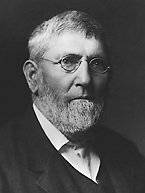
David Lipscomb (1831–1917) was a prominent minister, editor, and educator in the American Restoration Movement. He co-founded the Nashville Bible School, now Lipscomb University, with James A. Harding. As an influential leader, Lipscomb was affiliated with the Church of Christ following the movement's 1906 division. He served as the editor of the Gospel Advocate, advocating for strict adherence to scripture to achieve unity. His work significantly impacted Restoration Movement Christianity, emphasizing a return to the "primitive" Christianity of the 1st century.
David Lipscomb was born in Huntland, Tennessee, to Granville Lipscomb and Ann E. Lipscomb, who were initially Baptists before converting to Restoration Movement Christianity. His family, originally from Virginia, moved to Illinois in 1834 to free their slaves. David's mother and three siblings died of fever there in 1835, shaping his views on racial equality within the church. Granville remarried Jane L. Breedan, and their son, Granville Jr., became a leader in the Lebanon Church of Christ.

William Lipscomb
William Nunn Lipscomb Jr. was a distinguished American chemist renowned for his groundbreaking work in nuclear magnetic resonance, theoretical chemistry, boron chemistry, and biochemistry. Born on December 9, 1919, Lipscomb was a Nobel Prize-winning scientist who taught at the University of Minnesota and Harvard University. His career spanned from 1946 to 1990, during which he became professor emeritus at Harvard. His contributions to various fields of chemistry have cemented his legacy in scientific history.
Lipscomb was born in Cleveland, Ohio, to a physician father and a housewife mother, with a family lineage of medical professionals extending to his grandfather and great-grandfather. Raised in a home that emphasized independence, his early life in Lexington, Kentucky, was enriched by a keen interest in science fostered by his family and community.
Lipscomb Surname Meaning, Origin, and History
The surname "Lipscomb" has been associated with a variety of notable individuals across different fields and nationalities. Originating from England, it includes people such as George Lipscomb, an English physician and historian, and extends to the United States with figures like David Lipscomb, a preacher and university founder, and William Lipscomb, an American chemist. The name spans professions from sports and politics to music and academia, indicating a diverse legacy.
VIEW MOREWhere to Find Genealogy Records for Lipscomb
We’ve analyzed YourRoots tree and records data to uncover where genealogists are finding key sources such as census, birth certificates, marriage records, and obituaries for the Lipscomb family. Explore our most popular genealogy record sources for the Lipscomb surname to learn more.
VIEW MOREAbout YourRoots
Explore your family tree geographically
Import your GEDCOM file to transform your family tree into an interactive global map. See your roots laid out visually and understand your true geographic heritage.
Powerful tools like "Trace Back To Me" instantly map your family's migration paths from a chosen ancestor all the way back to you.
Discover ancestors beyond "end-of-line" automatically
Import your family tree and let AI expand it for you. AI Ancestor Finder scans "end-of-line" ancestors to uncover their parents across hundreds of family lines at once. AI Deep Research analyzes selected ancestors and family clusters, suggesting relevant records and next steps.
Turn on Auto Research Mode to get new discoveries daily or weekly, so your tree keeps growing even while you're away.
Find more DNA matches across all DNA tests
Combine your DNA data with your family tree to unlock the full power of YourRoots DNA Match. Connect with relatives across major testing services — Ancestry, 23andMe, MyHeritage, and more.
View your matches' maps and trees to identify shared ancestors, and soon you'll be able to add them directly to your own tree and map.
Ancestry DNA analysis that goes deeper than others
Unlock exclusive reports that reveal your deeper origins.
- Deep Ancestry Report — Analyze 130+ ethnicities, sub-regions, and 1,800+ communities in one detailed view.
- Global & Native American Reports — Developed with Stanford researchers to uncover hidden ancestries across all 22 chromosomes.
- Ancient DNA Series — Compare your DNA with 1,000+ ancient genomes from Viking, Celtic, and early American civilizations.
Sign up to explore more
Create a free account to navigate family trees, view ancestors, and discover connections.
Coming Soon
We're actively working on many new features for YourRoots. Features marked v2 are ones we're planning to launch soon.
Have a particular feature request? Let us know below!