
Sign up to explore more
Create a free account to navigate family trees, view ancestors, and discover connections.
Sign up to explore more
Create a free account to navigate family trees, view ancestors, and discover connections.
Loveland Family Genealogy & History
Discover the Global Legacy of the Loveland Surname
The Loveland surname has its origins in England, emerging during a period when surnames began to serve as identifiers of family lineage. As a testament to its enduring legacy, Loveland has become a recognizable name, connecting individuals through a shared ancestry. The surname's historical roots provide a foundation for tracing the Loveland family tree, offering insights into the genealogical pathways that have shaped the family over centuries.
Through the passage of time, the Loveland surname evolved and spread geographically. In the 16th century, various branches of the Loveland family established themselves in different regions of England. By the 17th century, the pursuit of new opportunities led many to migrate across the Atlantic, marking the beginning of the Loveland presence in the New World. This movement laid the groundwork for the Loveland genealogy to expand significantly, creating a diverse and widespread family legacy.
YourRoots records confirm that the Loveland surname first appeared in England, supporting the notion of its English origins. The 17th-century migration patterns documented in YourRoots align with the historical expansion of the Loveland family tree, highlighting the global spread of the name. As the 18th and 19th centuries unfolded, the Loveland name became increasingly prominent in the United States, Canada, and Australia, reflecting broader migration trends of the era.
Today, the Loveland genealogy is rich with information, thanks to the extensive records available through YourRoots. For those interested in tracing their connection to the Loveland family tree, these resources offer a valuable gateway into the past. The continuity between historical narratives and YourRoots data provides a comprehensive picture for researchers delving into the Loveland records, revealing a vast and interconnected lineage that spans continents and centuries.
Find the Loveland Family Tree
Search more Loveland trees & genealogy records
Records
-
MLMalachi Loveland1736–1799Public Tree Person4 treesScore: AMLMalachi Loveland1736–1799Public Tree Person4 treesScore: A
-
FLFrench Ballinger OIL ATTORNEY Loveland1901–1972Individual Tree PersonParents: John Loveland & Mary FrenchSpouse: Zelma AllenChildren: Lawrence, MargeryScore: AFLFrench Ballinger OIL ATTORNEY Loveland1901–1972Individual Tree PersonParents: John Loveland & Mary FrenchSpouse: Zelma AllenChildren: Lawrence, MargeryScore: A
-
🇺L🇺🇸🇺🇸🇺🇸Hon. Solomon Loveland1828–1881Individual Tree PersonParents: Andrus match & ❤️❤️❤️Mary InghamSpouse: Harriet ConverseChildren: Alexander, AlbertScore: A🇺L🇺🇸🇺🇸🇺🇸Hon. Solomon Loveland1828–1881Individual Tree PersonParents: Andrus match & ❤️❤️❤️Mary InghamSpouse: Harriet ConverseChildren: Alexander, AlbertScore: A
-
MLMortimer Dunreath Loveland1854–1926Individual Tree PersonParents: Henry Loveland & Lavina OsbornSpouse: Lucy Brabant, Ella VancoughnetChildren: Leander, Violet, Anna, Donald, Lillian, Earl, Nettie, Amybelle, Clarence, Ernest, Eulane, George, Glenn, Grace, Ida, RuthScore: AMLMortimer Dunreath Loveland1854–1926Individual Tree PersonParents: Henry Loveland & Lavina OsbornSpouse: Lucy Brabant, Ella VancoughnetChildren: Leander, Violet, Anna, Donald, Lillian, Earl, Nettie, Amybelle, Clarence, Ernest, Eulane, George, Glenn, Grace, Ida, RuthScore: A
-
HLHenry James Loveland1844–1903Individual Tree PersonParents: Horton Loveland & Amanda DaggettSpouse: Nellie Bartholomew, Phila CarpenterChildren: AnticeScore: AHLHenry James Loveland1844–1903Individual Tree PersonParents: Horton Loveland & Amanda DaggettSpouse: Nellie Bartholomew, Phila CarpenterChildren: AnticeScore: A
-
HLHenry Arnold (Phillips) Loveland1856–1910Individual Tree PersonParents: Joseph Loveland & Katherine PhillippsScore: AHLHenry Arnold (Phillips) Loveland1856–1910Individual Tree PersonParents: Joseph Loveland & Katherine PhillippsScore: A
-
JLJames Loveland1812–1894Individual Tree PersonParents: Gad Loveland & Lucy CatlinSpouse: Isabella LovelandChildren: John, James, George, Frances, MaryScore: AJLJames Loveland1812–1894Individual Tree PersonParents: Gad Loveland & Lucy CatlinSpouse: Isabella LovelandChildren: John, James, George, Frances, MaryScore: A
-
RLRachael Loveland1796–1888Individual Tree PersonParents: Andrus Loveland & Rachel BatesSpouse: Reuben Sr, Asa RaymondChildren: Lucinda, Maroa, Julia, Wells, HelenScore: ARLRachael Loveland1796–1888Individual Tree PersonParents: Andrus Loveland & Rachel BatesSpouse: Reuben Sr, Asa RaymondChildren: Lucinda, Maroa, Julia, Wells, HelenScore: A
-
CLClara Williams Loveland1870–1918Individual Tree PersonParents: Henry Williams & Lavina WilliamsSpouse: Oliver LovelandScore: ACLClara Williams Loveland1870–1918Individual Tree PersonParents: Henry Williams & Lavina WilliamsSpouse: Oliver LovelandScore: A
-
ELEdward Loveland1885–1939Individual Tree PersonParents: George Loveland & Sarah MartinSpouse: Florence WainwrightChildren: HarryScore: AELEdward Loveland1885–1939Individual Tree PersonParents: George Loveland & Sarah MartinSpouse: Florence WainwrightChildren: HarryScore: A
-
DLDora Loveland1901–1976Individual Tree PersonParents: Henry Loveland & Ella StreeterSpouse: William CenterChildren: GerogeScore: ADLDora Loveland1901–1976Individual Tree PersonParents: Henry Loveland & Ella StreeterSpouse: William CenterChildren: GerogeScore: A
-
ILIda May Loveland1893–1973Individual Tree PersonParents: Sidney Lovelin & Matilda LovelandSpouse: John NewmanChildren: Clyde, Margorie, FloydScore: AILIda May Loveland1893–1973Individual Tree PersonParents: Sidney Lovelin & Matilda LovelandSpouse: John NewmanChildren: Clyde, Margorie, FloydScore: A
-
TLThomas Loveland1678–1768Individual Tree PersonParents: Edwin Sr & Charity LovelandSpouse: Ruth Killum, Keziah LovelandChildren: Robert, Hannah, John, Ruth, Lot, Mary, David, ThomasScore: ATLThomas Loveland1678–1768Individual Tree PersonParents: Edwin Sr & Charity LovelandSpouse: Ruth Killum, Keziah LovelandChildren: Robert, Hannah, John, Ruth, Lot, Mary, David, ThomasScore: A
-
GLGeorge West Loveland1897–1986Individual Tree PersonParents: Henry Loveland & Lucy WESTSpouse: Carlotta LovelandChildren: NancyScore: AGLGeorge West Loveland1897–1986Individual Tree PersonParents: Henry Loveland & Lucy WESTSpouse: Carlotta LovelandChildren: NancyScore: A
-
MLMarion Lee Loveland1580–1645Individual Tree PersonParents: Julyan Loveland & Lady ThomasSpouse: Richard HallChildren: AnneScore: AMLMarion Lee Loveland1580–1645Individual Tree PersonParents: Julyan Loveland & Lady ThomasSpouse: Richard HallChildren: AnneScore: A
-
ELEdward James Loveland1910–1917Individual Tree PersonParents: James Loveland & Mary LaneScore: AELEdward James Loveland1910–1917Individual Tree PersonParents: James Loveland & Mary LaneScore: A
-
ELErnest Paul Loveland1891–1960Individual Tree PersonParents: Mortimer Loveland & Lucy BrabantScore: AELErnest Paul Loveland1891–1960Individual Tree PersonParents: Mortimer Loveland & Lucy BrabantScore: A
-
MLMarion Lee Loveland1580–1612Individual Tree PersonParents: Julyan Loveland & Agnes ThomasSpouse: Richard HallChildren: Anne, Anne, Mary, Elizabeth, Cornelius, Elisha, Richard, Rachel, John, John, Richard, Samuel, Mary, RichardScore: AMLMarion Lee Loveland1580–1612Individual Tree PersonParents: Julyan Loveland & Agnes ThomasSpouse: Richard HallChildren: Anne, Anne, Mary, Elizabeth, Cornelius, Elisha, Richard, Rachel, John, John, Richard, Samuel, Mary, RichardScore: A
-
LLLew W. Loveland1892–1976Individual Tree PersonParents: Wallace Loveland & Mina LovelandSpouse: Marian LovelandChildren: EleanorScore: ALLLew W. Loveland1892–1976Individual Tree PersonParents: Wallace Loveland & Mina LovelandSpouse: Marian LovelandChildren: EleanorScore: A
-
ALAudrey Loveland1895–1976Individual Tree PersonSpouse: Harry LovelandChildren: JuniorScore: AALAudrey Loveland1895–1976Individual Tree PersonSpouse: Harry LovelandChildren: JuniorScore: A
Search more trees & records for
Loveland for free
Tracing Your Loveland Family Lineage
Origin of the Loveland Family: Where does the Loveland surname come from?
The Loveland surname first emerged in England during a time when surnames began to take root as a means of identifying family lineage. Its earliest known appearance in YourRoots records marks the beginning of what would become a rich and expansive family tree. This origin signifies not only the start of the Loveland name but also the genealogical connections that would unfold over the centuries.
Genealogy and Early Family History of Loveland
In the centuries following its inception, the Loveland family began to spread across regions, primarily establishing roots in England and later expanding to other areas. During the 16th century, branches of the Loveland family emerged, with significant lines noted in various parts of England. As families grew and intermarried, they constructed a more intricate family tree, setting the stage for future generations.
By the 17th century, the Loveland name had begun to migrate beyond English borders, particularly as individuals sought new opportunities across the Atlantic. This marked the beginning of a significant expansion, with families establishing themselves in the New World, which would further enrich the Loveland genealogy. The interconnections formed during these early periods laid the groundwork for a diverse and widespread family legacy.
Tracing the Loveland Family Tree Through the Centuries
The spread of the Loveland surname continued into the 18th century, as the family established itself prominently in the United States. With each passing century, the Loveland name found its way into various regions, including parts of Canada and Australia, reflecting the global migration patterns of the time. By the 19th century, the Loveland family tree had grown substantially, with numerous branches extending into new territories and communities.
As we entered the 20th century, the Loveland surname became increasingly prevalent across multiple continents, showcasing the family's adaptability and resilience through changing times. The migration of Loveland families to different countries further enriched their genealogical history, fostering connections that spanned generations and geographic boundaries. This expansion highlights the broader narrative of the Loveland family as it evolved into a global lineage.
Where to Find Loveland Genealogy Records Today
In the modern centuries, the Loveland surname has continued to flourish, with many descendants actively tracing their heritage. The global spread of the name has led to a wealth of genealogical records available for exploration, particularly in the United States and other English-speaking countries. Readers are encouraged to delve into the YourRoots database to uncover their own connections to the Loveland family tree and to explore the rich history that accompanies this enduring surname.
Famous People with Loveland (and Their Family Tree)

Colston Loveland
Colston Loveland, born April 9, 2004, is a standout American football tight end who played for the Michigan Wolverines. Known for his impressive college football career, Loveland was a key player in Michigan’s national championship win in 2023. He earned All-American honors in 2024 and set a school record for most receptions by a tight end in a season. As a prospect for the 2025 NFL draft, Loveland is highly regarded for his receiving skills and notable performances against top teams like Ohio State and Michigan State.
Colston Loveland was born to Chad Loveland and Rachel Faulkner and raised on a farm in Bliss, Idaho. He attended Gooding High School, where he excelled in both basketball and football.
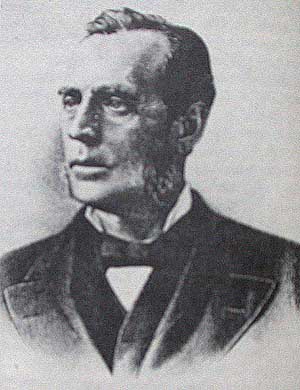
William A. H. Loveland
William Austin Hamilton Loveland (1826–1894) was a pivotal figure in the development of Colorado's infrastructure and commerce in the late 19th century. As a railroad entrepreneur, he co-founded the Colorado Central Railroad, significantly impacting the expansion of rail networks into the mining communities of Colorado. Loveland's efforts helped transform Golden into a key commercial hub. Notably, he played a crucial role in establishing the Colorado School of Mines and was a prominent philanthropist, contributing to the construction of schools and churches in Golden. His legacy is commemorated by the city of Loveland and Loveland Pass, both named in his honor.
William Loveland was the son of Rev. Leonard Loveland, a distinguished Methodist minister and War of 1812 prisoner of war.

Ian Loveland
Ian Loveland, born on September 7, 1983, is an American professional mixed martial artist known for competing in prominent organizations like the Ultimate Fighting Championship (UFC), King of the Cage, and International Fight League (IFL). Loveland's martial arts journey began with Tae Kwon Do at age five, before transitioning to wrestling in high school. He boasts an impressive amateur record of 7-0 and made a successful professional debut in 2005. Loveland's UFC career included notable fights against Tyler Toner, where he claimed victory via unanimous decision, and Joseph Benavidez. Despite a promising start, Loveland's UFC tenure ended after a split decision loss to Yves Jabouin and subsequent release due to injury.
Tobias Loveland
Tobias Loveland, born on 27 March 1991, is a prominent English football coach known for his role as a first team coach at Hull City in the EFL Championship. Loveland's career began at Bristol City, where he spent four years before moving to Southampton in 2018 as a Senior Technical Analyst. His coaching career gained momentum when he joined Reading as a first team coach under head coach Rubén Sellés. In December 2024, Loveland transitioned to Hull City alongside Sellés, further solidifying his reputation in English football coaching circles.
Donald W. Loveland
Donald W. Loveland, born on December 26, 1934, in Rochester, New York, is a renowned professor emeritus of computer science at Duke University, celebrated for his contributions to artificial intelligence. Notably, he is recognized for the Davis–Putnam–Logemann–Loveland algorithm. Loveland's academic journey includes a bachelor's degree from Oberlin College, a master's from MIT, and a Ph.D. from NYU. He has held faculty positions at New York University and Carnegie Mellon University before joining Duke in 1973. His accolades include the Herbrand Award for Distinguished Contributions to Automated Reasoning and fellowship status in multiple esteemed associations, enhancing his visibility in the fields of computing and artificial intelligence.
Loveland Surname Meaning, Origin, and History
The surname "Loveland" is associated with several notable individuals, primarily from the United States, across various fields such as politics, sports, and science. The name has been carried by American politicians like Albert J. Loveland and William A. H. Loveland, as well as figures in sports and academia, indicating its diverse presence in American history and culture.
VIEW MOREWhere to Find Genealogy Records for Loveland
We’ve analyzed YourRoots tree and records data to uncover where genealogists are finding key sources such as census, birth certificates, marriage records, and obituaries for the Loveland family. Explore our most popular genealogy record sources for the Loveland surname to learn more.
VIEW MOREAbout YourRoots
Explore your family tree geographically
Import your GEDCOM file to transform your family tree into an interactive global map. See your roots laid out visually and understand your true geographic heritage.
Powerful tools like "Trace Back To Me" instantly map your family's migration paths from a chosen ancestor all the way back to you.
Discover ancestors beyond "end-of-line" automatically
Import your family tree and let AI expand it for you. AI Ancestor Finder scans "end-of-line" ancestors to uncover their parents across hundreds of family lines at once. AI Deep Research analyzes selected ancestors and family clusters, suggesting relevant records and next steps.
Turn on Auto Research Mode to get new discoveries daily or weekly, so your tree keeps growing even while you're away.
Find more DNA matches across all DNA tests
Combine your DNA data with your family tree to unlock the full power of YourRoots DNA Match. Connect with relatives across major testing services — Ancestry, 23andMe, MyHeritage, and more.
View your matches' maps and trees to identify shared ancestors, and soon you'll be able to add them directly to your own tree and map.
Ancestry DNA analysis that goes deeper than others
Unlock exclusive reports that reveal your deeper origins.
- Deep Ancestry Report — Analyze 130+ ethnicities, sub-regions, and 1,800+ communities in one detailed view.
- Global & Native American Reports — Developed with Stanford researchers to uncover hidden ancestries across all 22 chromosomes.
- Ancient DNA Series — Compare your DNA with 1,000+ ancient genomes from Viking, Celtic, and early American civilizations.
Sign up to explore more
Create a free account to navigate family trees, view ancestors, and discover connections.
Coming Soon
We're actively working on many new features for YourRoots. Features marked v2 are ones we're planning to launch soon.
Have a particular feature request? Let us know below!