
Sign up to explore more
Create a free account to navigate family trees, view ancestors, and discover connections.
Sign up to explore more
Create a free account to navigate family trees, view ancestors, and discover connections.
March Family Genealogy & History
Discover the Global Legacy of the March Surname
The March surname has its origins in England, first appearing in records during the early 13th century. This name likely derives from the Old English word for a boundary or border, reflecting its historical context within family lineages. The March surname has become a significant identifier in genealogical studies, marking the beginning of a notable lineage that has influenced family trees for centuries.
Over the centuries, the March surname expanded beyond its English roots. By the 14th and 15th centuries, the name had established itself across various regions in England, contributing to the growth of the March family tree. As the surname evolved, it began to spread culturally and geographically, reaching Scotland, Ireland, and even parts of Europe by the 17th and 18th centuries. This expansion reflects broader historical movements and the adaptability of the March family across different societies.
The YourRoots dataset provides valuable insights into the March genealogy, confirming its emergence in England during the 13th century. It highlights the steady increase in the presence of the March surname through the subsequent centuries, aligning with historical records. By the 19th century, the March name was firmly established across multiple continents, underscoring a rich tapestry of family histories. YourRoots complements these historical narratives by mapping the global distribution of March records, aiding those interested in tracing their lineage.
Today, March genealogy records are accessible across various regions, thanks to resources like YourRoots. These records offer a comprehensive view of the March family's enduring legacy, providing a treasure trove of information for genealogists and family-history enthusiasts. Exploring the March family tree through these records reveals a complex network of cultural and geographic connections, enriching our understanding of this storied surname.
Find the March Family Tree
Search more March trees & genealogy records
Records
-
JMJames Thomas March1843–1912Individual Tree PersonParents: Jonathan March & Nancy BradleyChildren: WilliamScore: AJMJames Thomas March1843–1912Individual Tree PersonParents: Jonathan March & Nancy BradleyChildren: WilliamScore: A
-
CMCharles Jack March1891–1959Individual Tree PersonParents: Reuben March & Rachel KnipschildSpouse: Lillian Elder, Elizabeth SantosScore: ACMCharles Jack March1891–1959Individual Tree PersonParents: Reuben March & Rachel KnipschildSpouse: Lillian Elder, Elizabeth SantosScore: A
-
TMThomas David March1917–1970Individual Tree PersonParents: Lial March & Pearl GriffinScore: ATMThomas David March1917–1970Individual Tree PersonParents: Lial March & Pearl GriffinScore: A
-
AMAgnes 'Black Agnes' Randolph - Countess of Dunbar and March1300–1369Individual Tree PersonParents: Thomas Moray & Isabella BonkylSpouse: Patrick Stranith, Patrick Crusader, Patrick VIIChildren: Agnes, John, George, David, Lady, JohnScore: AAMAgnes 'Black Agnes' Randolph - Countess of Dunbar and March1300–1369Individual Tree PersonParents: Thomas Moray & Isabella BonkylSpouse: Patrick Stranith, Patrick Crusader, Patrick VIIChildren: Agnes, John, George, David, Lady, JohnScore: A
-
LMLial Andrew March1871–1942Individual Tree PersonParents: Reuben March & Rachel KnipschildSpouse: Pearl GriffinChildren: Gladys, Fay, Marcel, Florida, Lendell, Ila, Thomas, Ray, Melba, RaeScore: ALMLial Andrew March1871–1942Individual Tree PersonParents: Reuben March & Rachel KnipschildSpouse: Pearl GriffinChildren: Gladys, Fay, Marcel, Florida, Lendell, Ila, Thomas, Ray, Melba, RaeScore: A
-
RMRoger De Mortimer VI, 4th Earl Of March1374–1398Individual Tree PersonParents: Edmund Mortimer & Philippa PlantagenetSpouse: Lady SalisburyChildren: Anne, EdmundScore: ARMRoger De Mortimer VI, 4th Earl Of March1374–1398Individual Tree PersonParents: Edmund Mortimer & Philippa PlantagenetSpouse: Lady SalisburyChildren: Anne, EdmundScore: A
-
OMOliver March1830–1901Individual Tree PersonParents: David March & Susan HiltsSpouse: Jane MarchChildren: Lovina, Mary, Susie, John, MargaretScore: AOMOliver March1830–1901Individual Tree PersonParents: David March & Susan HiltsSpouse: Jane MarchChildren: Lovina, Mary, Susie, John, MargaretScore: A
-
LMLendell David March1912–1992Individual Tree PersonParents: Lial March & Pearl GriffinSpouse: Lucile MarchScore: ALMLendell David March1912–1992Individual Tree PersonParents: Lial March & Pearl GriffinSpouse: Lucile MarchScore: A
-
HMHomer Milton March1903–1993Individual Tree PersonParents: Henry March & Ava SchanksSpouse: Victoria NagyScore: AHMHomer Milton March1903–1993Individual Tree PersonParents: Henry March & Ava SchanksSpouse: Victoria NagyScore: A
-
AMAgnes March1529–1578Individual Tree PersonParents: Robert Castell & Lady HawardSpouse: Robert MarchChildren: ChristopherScore: AAMAgnes March1529–1578Individual Tree PersonParents: Robert Castell & Lady HawardSpouse: Robert MarchChildren: ChristopherScore: A
-
HMHenry Thomas March1859–1912Individual Tree PersonParents: Rudolph March & Rachel BradleySpouse: Ava SchanksChildren: Guy, Clarence, Jessie, Homer, RachelScore: AHMHenry Thomas March1859–1912Individual Tree PersonParents: Rudolph March & Rachel BradleySpouse: Ava SchanksChildren: Guy, Clarence, Jessie, Homer, RachelScore: A
-
EMEulalia March1601–1690Individual Tree PersonParents: RICHARD Marsh & JOANE MartinSpouse: Henry BurtChildren: ElizabethScore: AEMEulalia March1601–1690Individual Tree PersonParents: RICHARD Marsh & JOANE MartinSpouse: Henry BurtChildren: ElizabethScore: A
-
GMGracie G March1898–1992Individual Tree PersonParents: Nathaniel March & Jeanette MurdockSpouse: George RuossScore: AGMGracie G March1898–1992Individual Tree PersonParents: Nathaniel March & Jeanette MurdockSpouse: George RuossScore: A
-
SMSamuel March1732–1804Individual Tree PersonParents: Benjamin March & Elizabeth SmallSpouse: Anna LibbyChildren: JamesScore: ASMSamuel March1732–1804Individual Tree PersonParents: Benjamin March & Elizabeth SmallSpouse: Anna LibbyChildren: JamesScore: A
-
FMFrederick William March1899–1972Individual Tree PersonParents: Alfred March & Julia WilsonSpouse: Stella DawsonChildren: Stanley, Keith, JohnScore: AFMFrederick William March1899–1972Individual Tree PersonParents: Alfred March & Julia WilsonSpouse: Stella DawsonChildren: Stanley, Keith, JohnScore: A
-
HMHarvey Elting March1906–1969Individual Tree PersonParents: Gustave March & Della StandifordSpouse: Zola GartnerScore: AHMHarvey Elting March1906–1969Individual Tree PersonParents: Gustave March & Della StandifordSpouse: Zola GartnerScore: A
-
HMHannah March1698–1772Individual Tree PersonParents: Hugh March & Sarah MoodySpouse: Thomas FollansbeeChildren: Joshua, Abigail, Hannah, Sarah, ThomasScore: AHMHannah March1698–1772Individual Tree PersonParents: Hugh March & Sarah MoodySpouse: Thomas FollansbeeChildren: Joshua, Abigail, Hannah, Sarah, ThomasScore: A
-
AMAnne March1538–1574Individual Tree PersonParents: Sir Steward & Mary FulnetbyScore: AAMAnne March1538–1574Individual Tree PersonParents: Sir Steward & Mary FulnetbyScore: A
-
RMRalph March1760–1855Individual Tree PersonParents: James March & Mary SnowdenSpouse: Mary youngChildren: MaryScore: ARMRalph March1760–1855Individual Tree PersonParents: James March & Mary SnowdenSpouse: Mary youngChildren: MaryScore: A
-
LMLucy March1873–1948Individual Tree PersonParents: Pattison March & Jane GreenSpouse: George MichelsonChildren: George, GladysScore: ALMLucy March1873–1948Individual Tree PersonParents: Pattison March & Jane GreenSpouse: George MichelsonChildren: George, GladysScore: A
Search more trees & records for
March for free
Tracing Your March Family Lineage
Origin of the March Family: Where does the March surname come from?
The March surname first emerged in England during the early part of the 13th century, marking the beginning of a notable lineage within genealogical records. This initial appearance connects families to their ancestral roots, establishing the March name as a significant identifier in family trees. The historical context of this period in England suggests a time of social and political transformation, which would shape the lives and migrations of the March family over generations.
Genealogy and Early Family History of March
Throughout the subsequent centuries, the March family began to establish itself more prominently, particularly in England, where numerous branches of the family tree emerged. During the 14th and 15th centuries, the surname saw a steady increase in presence, indicating the family's growth and adaptation to the changing landscape of society. Key regions in England served as hubs for these early March families, laying the foundation for future generations.
By the 16th century, the March family had begun to flourish, with a significant uptick in recorded instances of the surname, reflecting both population growth and the establishment of familial ties across the country. The development of family branches during this time indicates a dynamic evolution of the March lineage, as families expanded their connections and solidified their presence in local communities.
Tracing the March Family Tree Through the Centuries
As the centuries progressed, the March surname spread beyond England, reaching various regions and countries, showcasing the family's adaptability and resilience. In the 17th and 18th centuries, March families began to appear in places such as Scotland, Ireland, and parts of Europe, expanding their genealogical footprint significantly. This global spread of the surname not only highlights the diverse paths taken by the March family but also reflects broader historical movements, including migration and settlement patterns.
By the 19th century, the March surname was well-established, with recorded instances across multiple continents, illustrating a rich tapestry of family histories. The connections formed during this expansive period contributed to a complex family tree, linking descendants to a wide variety of cultural and geographic backgrounds. Each branch of the tree represents unique stories and experiences, further enriching the family legacy.
Where to Find March Genealogy Records Today
In the modern centuries, the March surname continues to be found across various regions, including North America, Australia, and parts of Asia, showcasing its enduring legacy. As families continue to grow and evolve, the importance of tracing genealogical records has never been more significant, especially in the context of family trees. Readers are encouraged to explore the March genealogy records in the YourRoots database to uncover their own connections and delve into the rich history of the March family lineage.
Famous People with March (and Their Family Tree)

Salt March
The Salt March, also known as the Salt Satyagraha or Dandi March, was a pivotal act of nonviolent civil disobedience led by Mahatma Gandhi in colonial India. Taking place from March 12 to April 6, 1930, this 24-day march spanned 387 kilometers from Sabarmati Ashram to Dandi. It directly challenged the British salt monopoly and tax laws, inspiring widespread civil disobedience across India. The march significantly influenced global figures like Martin Luther King Jr. and cemented its place in history as a major campaign in the Indian independence movement, drawing international attention and advancing the Civil Disobedience Movement.
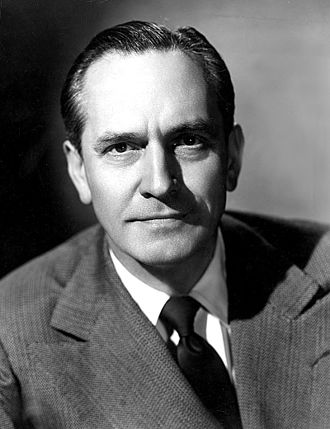
Fredric March
Fredric March, born Ernest Frederick McIntyre Bickel, was a celebrated American actor known for his versatility in film and stage during the 1930s and 1940s. He earned two Academy Awards for "Dr. Jekyll and Mr. Hyde" (1931) and "The Best Years of Our Lives" (1946), and received numerous other accolades, including a Golden Globe and two Tony Awards. March's notable films include "A Star is Born" (1937) and "Death of a Salesman" (1951). He was renowned for his ability to convincingly portray diverse characters, from Dr. Jekyll to William Jennings Bryan, making him a standout star of classic Hollywood cinema.
Fredric March was born in Racine, Wisconsin, to Cora Brown Marcher, a schoolteacher from England, and John F. Bickel, a Presbyterian Church elder working in wholesale hardware. His family background and upbringing in a devout, educated household likely influenced his disciplined approach to his acting career.

Stephanie March
Stephanie Caroline March is a renowned American actress and activist, best known for her role as Assistant District Attorney Alexandra Cabot on NBC's "Law & Order: Special Victims Unit" from 2000 to 2018. Her acclaimed performances have earned her recognition as one of the series' standout characters. March's diverse career includes appearances in films like "Head of State" and "Mr. & Mrs. Smith," as well as roles in TV shows such as "30 Rock" and "Grey's Anatomy." She is also an executive producer and star of the independent film "The Social Ones," showcasing her multifaceted talents in the entertainment industry.
Stephanie March was born in Dallas, Texas, to John and Laura March. She has a sister named Charlotte. After her parents' divorce, her mother married Robert Derby. March attended Highland Park High School and later graduated from Northwestern University, where she developed her passion for acting, participating in productions like "A Midsummer Night's Dream."
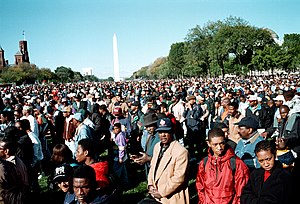
Million Man March
The Million Man March, a significant event in African-American history, took place on October 16, 1995, in Washington, D.C. Organized by the Nation of Islam and led by Louis Farrakhan with Benjamin Chavis Jr. as National Director, the march aimed to reshape the image of Black men and address economic and social challenges. It was a collaborative effort of civil rights organizations, including the NAACP, and sought to increase voter registration and political engagement. Amid debates on attendance figures, the march underscored issues like unemployment, poverty, and educational disparities, highlighting systemic challenges faced by the African-American community.

Jane March
Jane March Horwood, born in 1973, is an English film actress and former model known for her captivating roles in international cinema. She gained prominence with her role as the female lead in the 1992 film "The Lover," directed by Jean-Jacques Annaud. Her performance in "Color of Night" (1994), co-starring Bruce Willis, was notable for earning the title of "Best Sex Scene in film history" by Maxim magazine. Despite receiving numerous Hollywood offers, her career was momentarily stalled due to contractual conditions during her marriage to co-producer Carmine Zozzora.
Jane March hails from a diverse heritage with her father, Bernard Horwood, being of English and Spanish ancestry and her mother, Jean, having Vietnamese and Chinese roots. Raised in Pinner, north London, March's multicultural background has been a significant aspect of her identity, contributing to her unique presence in the film industry.
March Surname Meaning, Origin, and History
The surname "March" is associated with a variety of notable individuals across different fields such as sports, politics, and the arts. It appears in various cultures, including English, Spanish, and German backgrounds, and has been carried by figures ranging from poets and architects to athletes and actors.
VIEW MOREWhere to Find Genealogy Records for March
We’ve analyzed YourRoots tree and records data to uncover where genealogists are finding key sources such as census, birth certificates, marriage records, and obituaries for the March family. Explore our most popular genealogy record sources for the March surname to learn more.
VIEW MOREAbout YourRoots
Explore your family tree geographically
Import your GEDCOM file to transform your family tree into an interactive global map. See your roots laid out visually and understand your true geographic heritage.
Powerful tools like "Trace Back To Me" instantly map your family's migration paths from a chosen ancestor all the way back to you.
Discover ancestors beyond "end-of-line" automatically
Import your family tree and let AI expand it for you. AI Ancestor Finder scans "end-of-line" ancestors to uncover their parents across hundreds of family lines at once. AI Deep Research analyzes selected ancestors and family clusters, suggesting relevant records and next steps.
Turn on Auto Research Mode to get new discoveries daily or weekly, so your tree keeps growing even while you're away.
Find more DNA matches across all DNA tests
Combine your DNA data with your family tree to unlock the full power of YourRoots DNA Match. Connect with relatives across major testing services — Ancestry, 23andMe, MyHeritage, and more.
View your matches' maps and trees to identify shared ancestors, and soon you'll be able to add them directly to your own tree and map.
Ancestry DNA analysis that goes deeper than others
Unlock exclusive reports that reveal your deeper origins.
- Deep Ancestry Report — Analyze 130+ ethnicities, sub-regions, and 1,800+ communities in one detailed view.
- Global & Native American Reports — Developed with Stanford researchers to uncover hidden ancestries across all 22 chromosomes.
- Ancient DNA Series — Compare your DNA with 1,000+ ancient genomes from Viking, Celtic, and early American civilizations.
Sign up to explore more
Create a free account to navigate family trees, view ancestors, and discover connections.
Coming Soon
We're actively working on many new features for YourRoots. Features marked v2 are ones we're planning to launch soon.
Have a particular feature request? Let us know below!