
Sign up to explore more
Create a free account to navigate family trees, view ancestors, and discover connections.
Sign up to explore more
Create a free account to navigate family trees, view ancestors, and discover connections.
Portugal Family Genealogy & History
Discover the Global Legacy of the Portugal Surname
The Portugal surname has a rich and storied origin, directly drawing its name from the Iberian nation of Portugal. This surname is deeply intertwined with the country's history, reflecting a familial connection to the region. The name Portugal, like many location-based surnames, signifies a geographical link, suggesting that the early bearers may have had significant ties to the land, possibly denoting nobility or land ownership in the medieval era.
Throughout history, the Portugal surname has been borne by notable individuals across various cultures and regions. From the 12th to the 16th centuries, the family lines began to evolve, spreading notably within Portugal and later to other parts of Europe like France. This spread was facilitated by historical events that encouraged migration, such as wars and dynastic shifts. The name also appears in diverse fields, from nobility with Francisco de Portugal to arts with composer Marcos Portugal, illustrating the surname's broad cultural reach.
Insights from the YourRoots dataset enrich our understanding of the Portugal genealogy, tracing its earliest records back to significant historical periods. This data confirms the surname's prominence in Portugal during the medieval centuries and highlights its expansion into other European countries. YourRoots records detail a consistent presence of the Portugal family through the ages, underscoring a narrative of resilience and adaptation through various societal changes.
Today, the Portugal family tree is a testament to a legacy that has extended far beyond its Iberian origins. The global spread of the surname in the 19th and 20th centuries, as illustrated by YourRoots data, underscores a dynamic evolution, offering valuable insights for genealogical research. Enthusiasts and descendants continue to explore Portugal genealogy, seeking to connect with their past through rich historical records and family connections documented in modern databases.
Find the Portugal Family Tree
Search more Portugal trees & genealogy records
Records
-
APAfonso III de Portugal1210–1279Public Tree Person3 treesScore: AAPAfonso III de Portugal1210–1279Public Tree Person3 treesScore: A
-
MPMaria Of Portugal1521–1577Individual Tree PersonParents: Manõel I & Eleanor AustriaScore: AMPMaria Of Portugal1521–1577Individual Tree PersonParents: Manõel I & Eleanor AustriaScore: A
-
APAna Princess of Portugal1635–1635Individual Tree PersonParents: Johan Portugal & Luisa GuzmanScore: AAPAna Princess of Portugal1635–1635Individual Tree PersonParents: Johan Portugal & Luisa GuzmanScore: A
-
MPMaria Emanuela van Portugal1527–1568Individual Tree PersonParents: Johan III & Catharina HabsburgScore: AMPMaria Emanuela van Portugal1527–1568Individual Tree PersonParents: Johan III & Catharina HabsburgScore: A
-
SPSir Joao John I Good Portugal1357–1433Individual Tree PersonParents: Peter Portugal & Theresa MartinsSpouse: Phillipa Plantagenet, Ines EstevesChildren: Isabella, Branca, Afonso, Beatrice, Branca, Leonor, Alfonso, Sir, Infante, Henrique, Isabella, Branca, Infante, BlessedScore: ASPSir Joao John I Good Portugal1357–1433Individual Tree PersonParents: Peter Portugal & Theresa MartinsSpouse: Phillipa Plantagenet, Ines EstevesChildren: Isabella, Branca, Afonso, Beatrice, Branca, Leonor, Alfonso, Sir, Infante, Henrique, Isabella, Branca, Infante, BlessedScore: A
-
PPPhilippa Plantagenet Portugal1360–1415Individual Tree PersonParents: Sir KG & Blanche LancasterSpouse: John IChildren: Sir, Affonso, Isabella, Joao, Leonor, Henry, Henry, Duarte, Isabella, JoãoScore: APPPhilippa Plantagenet Portugal1360–1415Individual Tree PersonParents: Sir KG & Blanche LancasterSpouse: John IChildren: Sir, Affonso, Isabella, Joao, Leonor, Henry, Henry, Duarte, Isabella, JoãoScore: A
-
APAlfonso de Portugal1291–1357Individual Tree PersonParents: Dinis Portugal & Isabel AragónSpouse: Beatriz LeónChildren: Maria, Alfonso, Dionisio, Pedro, Isabel, Juan, LeonorScore: AAPAlfonso de Portugal1291–1357Individual Tree PersonParents: Dinis Portugal & Isabel AragónSpouse: Beatriz LeónChildren: Maria, Alfonso, Dionisio, Pedro, Isabel, Juan, LeonorScore: A
-
JPJoao Manuel Prince of Portugal1537–1554Individual Tree PersonSpouse: Princess AustriaChildren: SebastianScore: AJPJoao Manuel Prince of Portugal1537–1554Individual Tree PersonSpouse: Princess AustriaChildren: SebastianScore: A
-
JPJohn Manuel of Portugal1537–1554Individual Tree PersonParents: John Portugal & Catharina CastileScore: AJPJohn Manuel of Portugal1537–1554Individual Tree PersonParents: John Portugal & Catharina CastileScore: A
-
CPChristovao (Christophe) Aviz de Portugal1573–1638Individual Tree PersonParents: António l & Ana BarbosaScore: ACPChristovao (Christophe) Aviz de Portugal1573–1638Individual Tree PersonParents: António l & Ana BarbosaScore: A
-
IPIsabella Van Bragança Portugal1512–1576Individual Tree PersonParents: Jaime Braganza & Leonor GuzmánSpouse: Edward ANDChildren: Maria, Catarina, DuarteScore: AIPIsabella Van Bragança Portugal1512–1576Individual Tree PersonParents: Jaime Braganza & Leonor GuzmánSpouse: Edward ANDChildren: Maria, Catarina, DuarteScore: A
-
HPHenry I Capetian House of Burgundy, Count of Portugal1066–1112Individual Tree PersonParents: Hugues deTrazegnies & Sibylla BarcelonaSpouse: Teresa PortugalChildren: AfonsoScore: AHPHenry I Capetian House of Burgundy, Count of Portugal1066–1112Individual Tree PersonParents: Hugues deTrazegnies & Sibylla BarcelonaSpouse: Teresa PortugalChildren: AfonsoScore: A
-
UPUrraca of Portugal1148–1211Individual Tree PersonParents: Afonso Henriques & Mathilde SavoieSpouse: Fernando GaliciaChildren: AlfonsoScore: AUPUrraca of Portugal1148–1211Individual Tree PersonParents: Afonso Henriques & Mathilde SavoieSpouse: Fernando GaliciaChildren: AlfonsoScore: A
-
APAntonio of Portugal1531–1595Individual Tree PersonParents: Louis Portugal & Catalina RamirezScore: AAPAntonio of Portugal1531–1595Individual Tree PersonParents: Louis Portugal & Catalina RamirezScore: A
-
MPMaria of Aragon a Spanish infanta, queen consort of Portugal1482–1517Individual Tree PersonParents: Ferdinand entity & Isabella InquisitionSpouse: Manuel PortugalChildren: Isabella, João, HenryScore: AMPMaria of Aragon a Spanish infanta, queen consort of Portugal1482–1517Individual Tree PersonParents: Ferdinand entity & Isabella InquisitionSpouse: Manuel PortugalChildren: Isabella, João, HenryScore: A
-
BPBeatriz Sancha Portugal1293–1359Individual Tree PersonParents: Sancho Leon & Maria MolinaSpouse: Alfonso PortugalChildren: Pedro, Maria, Teresa, MariaScore: ABPBeatriz Sancha Portugal1293–1359Individual Tree PersonParents: Sancho Leon & Maria MolinaSpouse: Alfonso PortugalChildren: Pedro, Maria, Teresa, MariaScore: A
-
JPJohn I of Portugal1357–1433Individual Tree PersonParents: Peter Portugal & Teresa LourençoSpouse: Philippa LancasterChildren: Henry, Duarte, João, Pedro, Fernando, Branca, Branca, Afonso, AfonsoScore: AJPJohn I of Portugal1357–1433Individual Tree PersonParents: Peter Portugal & Teresa LourençoSpouse: Philippa LancasterChildren: Henry, Duarte, João, Pedro, Fernando, Branca, Branca, Afonso, AfonsoScore: A
-
JPJoão Manuel Prince of Portugal1537–1554Individual Tree PersonParents: Johan Portugal & Catherine PortugalSpouse: Joanna AustriaChildren: KingScore: AJPJoão Manuel Prince of Portugal1537–1554Individual Tree PersonParents: Johan Portugal & Catherine PortugalSpouse: Joanna AustriaChildren: KingScore: A
-
IPIsabella of Portugal1503–1539Individual Tree PersonParents: Emanuel Portugal & Maria AragonSpouse: Charles IChildren: Philip, Don, Maria, Juan, Ferdinand, JoannaScore: AIPIsabella of Portugal1503–1539Individual Tree PersonParents: Emanuel Portugal & Maria AragonSpouse: Charles IChildren: Philip, Don, Maria, Juan, Ferdinand, JoannaScore: A
-
JPJoão Manuel of Portugal1537–1554Individual Tree PersonParents: João III & Catharina Castile)Spouse: Jeanne d'AUTRICHE-HABSBOURGChildren: Sebastien, MariaScore: AJPJoão Manuel of Portugal1537–1554Individual Tree PersonParents: João III & Catharina Castile)Spouse: Jeanne d'AUTRICHE-HABSBOURGChildren: Sebastien, MariaScore: A
Search more trees & records for
Portugal for free
Tracing Your Portugal Family Lineage
Origin of the Portugal Family: Where does the Portugal surname come from?
The Portugal surname has its earliest known appearance in records that trace back to a significant time in history, marking the beginning of family tree documentation. This surname is intrinsically linked to the region of Portugal, giving insight into its genealogical roots within the Iberian Peninsula. The connection to the family’s origins underscores a rich narrative that intertwines with the cultural and historical developments of the region.
Genealogy and Early Family History of Portugal
During subsequent centuries, the Portugal family established itself prominently within Portugal, particularly in the 12th, 13th, and 14th centuries, when the surname flourished. Key regions within Portugal became the focal points for the expansion of family lines, as members of the Portugal family began to branch out and form distinctive family trees. This period saw the establishment of familial connections that would shape the heritage of the Portugal surname for generations to come.
As the centuries progressed, families bearing the Portugal surname continued to grow and evolve, furthering their presence in the region. The 15th and 16th centuries were particularly notable for the increased documentation of these families, showcasing their resilience and adaptability in a changing world. This growth laid the groundwork for the diverse branches of the Portugal family that emerged in later years.
Tracing the Portugal Family Tree Through the Centuries
In the centuries that followed, the Portugal surname expanded beyond its original borders, with branches of the family tree emerging across various regions. Notable migrations occurred, particularly into France and other European countries during the late medieval and early modern periods, leading to a more widespread distribution of the surname. By the 18th century, the Portugal family had established itself in multiple countries, reflecting a complex tapestry of genealogical connections.
The global spread continued into the 19th century and beyond, as families with the Portugal surname sought new opportunities and settled in different parts of the world. This international presence illustrates the dynamic evolution of the Portugal family tree, which embraced various cultural influences while maintaining its ancestral ties. Such migrations and expansions contributed to a rich and diverse family history that resonates through time.
Where to Find Portugal Genealogy Records Today
In modern times, the Portugal surname can be found across the globe, with a significant presence in various countries as families continue to trace their roots. The 20th and 21st centuries have seen an increased interest in genealogy, encouraging descendants of the Portugal family to explore their heritage further. For those looking to connect their own family tree, the YourRoots database offers a wealth of records that can illuminate the paths of the Portugal family throughout history.
Famous People with Portugal (and Their Family Tree)
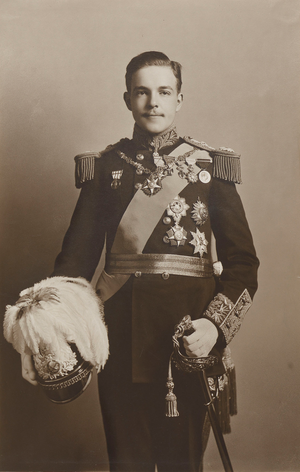
Manuel II of Portugal
Dom Manuel II of Portugal, known as "the Patriot" or "the Unfortunate," was the last King of Portugal, ascending the throne after the tragic assassination of his father, King Carlos I, and his elder brother, Luís Filipe. His reign, starting in 1908, was marked by efforts to stabilize the monarchy amid political turbulence, including dismissing João Franco's government. Despite his attempts to unify the nation, his reign ended with the 5 October 1910 revolution, leading to his exile in England. A musician and lover of literature, Manuel had a diverse education, reflecting his populist approach to monarchy.
Manuel was born in the Palace of Belém, Lisbon, and was the third child of King Carlos I and Amélie of Orléans. A member of the House of Braganza, his lineage included notable figures like his paternal great-granduncle, former Emperor Pedro II of Brazil. Raised with traditional royal education, Manuel was influenced by his maternal grandfather and was close to the Portuguese court families, shaping his early years and eventual succession to the throne.

John VI of Portugal
John VI of Portugal, also known as "the Clement," was a key figure in the history of the United Kingdom of Portugal, Brazil, and the Algarves from 1816 to 1825. He played a significant role during a tumultuous era, navigating political challenges like the Napoleonic Wars and Brazil's independence, which was declared by his son, Pedro I. Despite facing liberal revolts and internal family conflicts, John VI was instrumental in laying the groundwork for Brazil's national autonomy, earning a restored reputation as a clever and benevolent ruler.
John VI was born in Lisbon in 1767, the second son of Queen Dona Maria I and King Dom Peter III of Portugal. His maternal grandfather was King Dom Joseph I. John became heir to the throne following the death of his older brother, Prince José. He married Carlota Joaquina of Spain, with whom he had nine children, although their marriage was fraught with political intrigue and conspiracy.

John V of Portugal
John V of Portugal, known as the Magnanimous and the Portuguese Sun King, ruled from 1706 to 1750. His reign marked a period of prosperity and prestige for Portugal, driven by the influx of gold from Brazil and Maranhão. John V invested in grand architectural projects like Mafra Palace and expanded Portugal's influence through diplomacy and territorial gains in Portuguese India and America. As an absolute monarch, he was deeply religious, earning the title "Most Faithful Majesty" from Pope Benedict XIV due to his devotion and generous contributions to the Catholic Church.
Born on 22 October 1689 at Ribeira Palace, John was the second son of King Peter II and Maria Sophia of Neuburg. Initially not given the traditional titles of heir apparent, he later became Prince of Brazil and Duke of Braganza. His education was overseen by prominent figures such as Jesuit Fathers and diplomat Luís da Cunha. John's early life was marked by the influence of the Jesuits and the wealth of the Portuguese court under his father's policies.

Edward, King of Portugal
Edward, King of Portugal from 1433 to 1438, was also known as the Philosopher King and the Eloquent. He was a key figure in Portuguese history, promoting maritime exploration and building political consensus. His reign saw the encouragement of his brother, Henry the Navigator, in African expeditions, notably the rounding of Cape Bojador. Edward's rule was marked by the debacle at the Battle of Tangier, leading to political and personal turmoil.
Edward was the eldest son of John I of Portugal and Philippa of Lancaster. He belonged to the "Illustrious Generation," contributing significantly to the cultural and political development of Portugal in the 15th century. Edward married Eleanor of Aragon, aligning with the influential Aragonese family.
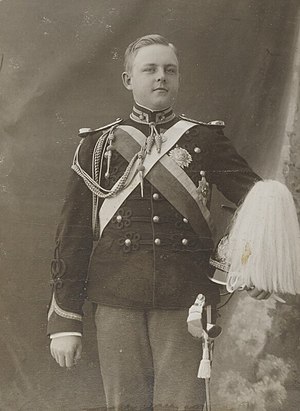
Luís Filipe, Prince Royal of Portugal
Luís Filipe, Prince Royal of Portugal, was the eldest son of King Carlos I and the heir-apparent to the Portuguese throne. Known for his distinguished titles, he became the 21st Duke of Braganza and served as regent in 1907. Luís Filipe was the first Portuguese royal to visit the African colonies, showcasing his diplomatic and leadership skills. Tragically, his promising career was cut short when he and his father were assassinated during the Lisbon Regicide in 1908, leading to his brother Manuel II's brief reign.
Born in Lisbon in 1887, Luís Filipe was the son of King Carlos I and Queen Amélie d'Orléans. He belonged to the House of Braganza, a prominent royal family with deep connections to Europe's nobility. His ancestry linked him to influential figures, including Queen Victoria of the United Kingdom through potential marital ties with Princess Patricia of Connaught, emphasizing the family's extensive European ties.
Portugal Surname Meaning, Origin, and History
The surname "Portugal" originates from the country of the same name. It is associated with various notable individuals across different fields, including sports, music, and religion, such as the Mexican football player Alfonso Portugal and the Portuguese opera composer Marcos Portugal.
VIEW MOREWhere to Find Genealogy Records for Portugal
We’ve analyzed YourRoots tree and records data to uncover where genealogists are finding key sources such as census, birth certificates, marriage records, and obituaries for the Portugal family. Explore our most popular genealogy record sources for the Portugal surname to learn more.
VIEW MOREAbout YourRoots
Explore your family tree geographically
Import your GEDCOM file to transform your family tree into an interactive global map. See your roots laid out visually and understand your true geographic heritage.
Powerful tools like "Trace Back To Me" instantly map your family's migration paths from a chosen ancestor all the way back to you.
Discover ancestors beyond "end-of-line" automatically
Import your family tree and let AI expand it for you. AI Ancestor Finder scans "end-of-line" ancestors to uncover their parents across hundreds of family lines at once. AI Deep Research analyzes selected ancestors and family clusters, suggesting relevant records and next steps.
Turn on Auto Research Mode to get new discoveries daily or weekly, so your tree keeps growing even while you're away.
Find more DNA matches across all DNA tests
Combine your DNA data with your family tree to unlock the full power of YourRoots DNA Match. Connect with relatives across major testing services — Ancestry, 23andMe, MyHeritage, and more.
View your matches' maps and trees to identify shared ancestors, and soon you'll be able to add them directly to your own tree and map.
Ancestry DNA analysis that goes deeper than others
Unlock exclusive reports that reveal your deeper origins.
- Deep Ancestry Report — Analyze 130+ ethnicities, sub-regions, and 1,800+ communities in one detailed view.
- Global & Native American Reports — Developed with Stanford researchers to uncover hidden ancestries across all 22 chromosomes.
- Ancient DNA Series — Compare your DNA with 1,000+ ancient genomes from Viking, Celtic, and early American civilizations.
Sign up to explore more
Create a free account to navigate family trees, view ancestors, and discover connections.
Coming Soon
We're actively working on many new features for YourRoots. Features marked v2 are ones we're planning to launch soon.
Have a particular feature request? Let us know below!