
Sign up to explore more
Create a free account to navigate family trees, view ancestors, and discover connections.


Sign up to explore more
Create a free account to navigate family trees, view ancestors, and discover connections.
Stow Family Genealogy & History
Discover the Global Legacy of the Stow Surname
The Stow surname has its roots in England, emerging prominently in the early 15th century. It is derived from the Old English term "Stow," which refers to a place or dwelling. This surname has been carried through generations, forming a significant part of English heritage and family history. Over time, the Stow family tree has expanded, showing a rich tapestry of cultural and geographical connections.
As the centuries progressed, the Stow surname began to appear more frequently across England, with notable individuals such as John Stow, an influential historian in the 16th century. The family saw significant geographic spread, particularly during the 16th and 17th centuries, when many Stows migrated to the Americas, establishing a transatlantic presence. This expansion continued, with Stows becoming prominent in various fields, from politics to education, across continents.
YourRoots data sheds light on the Stow surname's early emergence in England, confirming its foundational role in English society. The records highlight the Stow family's expansion during the late 15th century, as branches developed and contributed to the cultural fabric of the regions they inhabited. This aligns with historical patterns of migration and societal growth documented in YourRoots, enriching the understanding of the Stow genealogy.
Today, Stow genealogy records reveal a global distribution, with descendants found in regions reflecting historic migration patterns. YourRoots data not only confirms this widespread presence but also serves as a valuable resource for those researching the Stow family tree, offering insights into ancestral connections and family history that span centuries and continents.
Find the Stow Family Tree
Search more Stow trees & genealogy records
Records
-
DSDonald Jefferson STOW1891–1973Public Tree Person3 treesScore: ADSDonald Jefferson STOW1891–1973Public Tree Person3 treesScore: A
-
JSJerusha Stow1719–1793Public Tree Person3 treesScore: AJSJerusha Stow1719–1793Public Tree Person3 treesScore: A
-
MSMary Stow1685–1727Public Tree PersonParents: Elizabeth Stone3 treesScore: AMSMary Stow1685–1727Public Tree PersonParents: Elizabeth Stone3 treesScore: A
-
RSRichard D. Stow1833–1893Individual Tree PersonParents: Daniel Stow & Hannah YoumansSpouse: Anna ScottChildren: AdelineScore: ARSRichard D. Stow1833–1893Individual Tree PersonParents: Daniel Stow & Hannah YoumansSpouse: Anna ScottChildren: AdelineScore: A
-
ASArthur Henry Stow1892–1968Individual Tree PersonParents: Frederick Stow & Susan JewhurstSpouse: Mabel StowChildren: Cyril, Keith, DoreenScore: AASArthur Henry Stow1892–1968Individual Tree PersonParents: Frederick Stow & Susan JewhurstSpouse: Mabel StowChildren: Cyril, Keith, DoreenScore: A
-
HSHarrison Stow1909–1913Individual Tree PersonParents: Edgar Stow & Florence HarrisonScore: AHSHarrison Stow1909–1913Individual Tree PersonParents: Edgar Stow & Florence HarrisonScore: A
-
MSMary Ann Stow1832–1866Individual Tree PersonParents: John FITZGERALD & Mary FitzgeraldSpouse: Joseph StowChildren: Frederick, Harriet, Jane, Charles, Clara, Joseph, MaryScore: AMSMary Ann Stow1832–1866Individual Tree PersonParents: John FITZGERALD & Mary FitzgeraldSpouse: Joseph StowChildren: Frederick, Harriet, Jane, Charles, Clara, Joseph, MaryScore: A
-
JSJohn Stow1761–1839Individual Tree PersonParents: Stephen Stow & Freelove BaldwinSpouse: Sarah GilletteChildren: Frederick, ElishaScore: AJSJohn Stow1761–1839Individual Tree PersonParents: Stephen Stow & Freelove BaldwinSpouse: Sarah GilletteChildren: Frederick, ElishaScore: A
-
BSBenjamin Stow1700–1746Individual Tree PersonParents: Nathaniel Stow & Ruth MerriamSpouse: Zibiah MooreScore: ABSBenjamin Stow1700–1746Individual Tree PersonParents: Nathaniel Stow & Ruth MerriamSpouse: Zibiah MooreScore: A
-
MSMary Stow1872–1958Individual Tree PersonParents: Sheldon Stow & Emma HulburdSpouse: Frank AtkinsScore: AMSMary Stow1872–1958Individual Tree PersonParents: Sheldon Stow & Emma HulburdSpouse: Frank AtkinsScore: A
-
TSThankful Stow1629–1682Individual Tree PersonParents: John III & Elizabeth BiggeSpouse: John PierpontChildren: Elizabeth, James, Thankful, John, Experience, Joseph, Benjamin, Jonathan, EbenezerScore: ATSThankful Stow1629–1682Individual Tree PersonParents: John III & Elizabeth BiggeSpouse: John PierpontChildren: Elizabeth, James, Thankful, John, Experience, Joseph, Benjamin, Jonathan, EbenezerScore: A
-
SSSarah Emagene Stow1872–1945Individual Tree PersonParents: Hiram Stowe & Mary BangleSpouse: Ripley BacusChildren: Fernie, Clarence, Herbert, Pearl, Ruth, Jennie, IreneScore: ASSSarah Emagene Stow1872–1945Individual Tree PersonParents: Hiram Stowe & Mary BangleSpouse: Ripley BacusChildren: Fernie, Clarence, Herbert, Pearl, Ruth, Jennie, IreneScore: A
-
SSSusan (Susannah) Stow1641–1704Individual Tree PersonParents: Samuel Stowe & Elizabeth EtheridgeSpouse: William SealeChildren: AnthonyScore: ASSSusan (Susannah) Stow1641–1704Individual Tree PersonParents: Samuel Stowe & Elizabeth EtheridgeSpouse: William SealeChildren: AnthonyScore: A
-
NSNathaniel Stow1663–1724Individual Tree PersonParents: Nathaniel Stowe & Martha MetcalfSpouse: Ruth MerriamChildren: Jonathan, Sarah, Mary, Timothy, John, Thomas, BenjaminScore: ANSNathaniel Stow1663–1724Individual Tree PersonParents: Nathaniel Stowe & Martha MetcalfSpouse: Ruth MerriamChildren: Jonathan, Sarah, Mary, Timothy, John, Thomas, BenjaminScore: A
-
ESElizabeth Stow1738–1830Individual Tree PersonParents: Daniel Stowe & Elizabeth Adkins\AtkinsSpouse: Caleb ClarkChildren: CephasScore: AESElizabeth Stow1738–1830Individual Tree PersonParents: Daniel Stowe & Elizabeth Adkins\AtkinsSpouse: Caleb ClarkChildren: CephasScore: A
-
WSWilliam Stow1773–1858Individual Tree PersonParents: None None & Prudence ✫Spouse: Molly\Polly? Huxford\Harrington?Children: Angeline, Frederick, Henry, Infant, William, Heroine, Franklin, StatiraScore: AWSWilliam Stow1773–1858Individual Tree PersonParents: None None & Prudence ✫Spouse: Molly\Polly? Huxford\Harrington?Children: Angeline, Frederick, Henry, Infant, William, Heroine, Franklin, StatiraScore: A
-
MSMargaret Stow1665–1710Individual Tree PersonParents: Samuel Stow & Hope FletcherSpouse: Beriah WetmoreChildren: Bethiah, ThomasScore: AMSMargaret Stow1665–1710Individual Tree PersonParents: Samuel Stow & Hope FletcherSpouse: Beriah WetmoreChildren: Bethiah, ThomasScore: A
-
RSR W Stow1823–1901Individual Tree PersonParents: Horace Stowe & Sarah MatthewsSpouse: Ann LashbrookChildren: Cornelia, Edward, Marietta, Rosetta, John, Adolphus, LorenaScore: ARSR W Stow1823–1901Individual Tree PersonParents: Horace Stowe & Sarah MatthewsSpouse: Ann LashbrookChildren: Cornelia, Edward, Marietta, Rosetta, John, Adolphus, LorenaScore: A
-
HSHorace Stow1781–1867Individual Tree PersonParents: None None & Prudence ✫Spouse: Sarah PackardChildren: Harriet, Cornelia, JohnScore: AHSHorace Stow1781–1867Individual Tree PersonParents: None None & Prudence ✫Spouse: Sarah PackardChildren: Harriet, Cornelia, JohnScore: A
-
SSSamuel Stow1680–1769Individual Tree PersonParents: Samuel Stowe & Elizabeth StoneScore: ASSSamuel Stow1680–1769Individual Tree PersonParents: Samuel Stowe & Elizabeth StoneScore: A
Search more trees & records for
Stow for free
Tracing Your Stow Family Lineage
Origin of the Stow Family: Where does the Stow surname come from?
The Stow surname first emerged in England during the early 15th century, marking the beginnings of a rich genealogical history. This initial appearance in the YourRoots records connects the Stow family to the roots of English heritage, signifying a foundational moment for those who would carry the name forward through generations. The surname is believed to have derived from various geographical features or places named "Stow," a term used in Old English to denote a place or dwelling.
Genealogy and Early Family History of Stow
As the Stow family began to establish itself, significant lines emerged primarily in England during the following centuries, illustrating a robust family network. By the late 15th century, the surname saw an increase in presence, particularly in regions that would later become key parts of the family narrative. These early family branches not only expanded their lineage but also contributed to the evolving tapestry of English society.
In the 16th and 17th centuries, the Stow family began to spread beyond England, witnessing migration patterns that would lead many to new lands, particularly to the Americas. This movement signified the start of a transatlantic connection, where families sought new opportunities and furthered their genealogical legacy in a rapidly changing world. The combination of geographical and social factors during these times fostered a diverse growth of the Stow family tree.
Tracing the Stow Family Tree Through the Centuries
Throughout the 17th century, the Stow surname gained considerable traction in the United States, where families began to settle and establish roots in various regions. This pattern continued into the 18th century when the Stow name became associated with several prominent communities across the continent. By the 19th century, the surname had further diversified, with branches appearing in both the United States and back in England, reflecting the ongoing evolution of familial ties and migrations.
The 20th century saw a continuation of this expansion, with Stow families now found in various parts of the globe, illustrating a truly global surname. As descendants of the original Stow families migrated for opportunities or personal reasons, they contributed to a vast and interconnected family tree that spans multiple countries and cultures. This expansive growth serves as a testament to the resilience and adaptability of the Stow lineage throughout history.
Where to Find Stow Genealogy Records Today
In the modern centuries, the Stow surname can be found widely distributed, particularly in regions that reflect historical migration patterns and contemporary settlement trends. The legacy of the Stow family remains alive as descendants continue to seek connections to their ancestors through genealogy research. For those interested in uncovering their own Stow
Famous People with Stow (and Their Family Tree)

John Stow
John Stow (1524/25–1605) was a distinguished English historian and antiquarian, renowned for his comprehensive chronicles of English history and his seminal work, "A Survey of London." His dedication to accuracy and truth in historical documentation made him a respected figure among contemporaries like Archbishop Matthew Parker and William Camden. Stow's extensive library, known as his "storehouse," was a valuable resource for his peers, highlighting his commitment to sharing knowledge. Despite facing scrutiny from ecclesiastical authorities, he remained a steadfast and diligent chronicler, contributing significantly to the preservation of English history.
John Stow was born in the City of London parish of St Michael, Cornhill, around 1525, to Thomas Stow, a tallow chandler. The family lived modestly, with Thomas paying an annual rent of 6s 8d. John, deviating from his father's trade, became a freeman of the Merchant Taylors' Company, setting up his own business near Aldgate. He experienced familial discord over inheritance matters, notably with his younger brother, Thomas, over their mother's estate. Despite these challenges, Stow's familial background in London's bustling metropolis influenced his lifelong passion for documenting the city's history.

Randolph Stow
Randolph Stow was a prolific Australian-born writer, novelist, and poet known for his significant contributions to literature. His notable works include the award-winning novel "To the Islands," which garnered the Miles Franklin Award in 1958, and "The Girl Green as Elderflower," reflecting his interest in historical and cultural narratives. Stow's career was marked by diverse roles, including teaching English literature and writing libretti for musical theatre. His experiences in England, Australia, and the Trobriand Islands enriched his storytelling, offering a unique blend of Australian and European influences.
Randolph Stow was born to Mary Campbell Stow née Sewell and Cedric Ernest Stow, a lawyer, in Geraldton, Western Australia. His paternal grandfather, Francis Leslie Stow, served as a Crown Solicitor of Western Australia, while his great-grandfather, Randolph Isham Stow, was a judge on the Supreme Court of South Australia, highlighting a family legacy of distinguished public service.

Marietta Stow
Marietta L. B. Stow (1830 or 1837–1902) was a pioneering American politician and women's rights activist. Known for her advocacy of women's suffrage and probate law reform, Stow made significant strides in promoting gender equality. She held leadership roles, such as president of the San Francisco Women's Suffrage Association, and was a vice presidential candidate for the National Equal Rights Party in 1884 and 1892. Stow also founded the Women's Independent Political Party, ran for Governor of California in 1882, and edited the Women's Herald of Industry and Social Science Cooperator. Her work in politics and law highlighted her commitment to social reform and women's rights.
Percy Stow
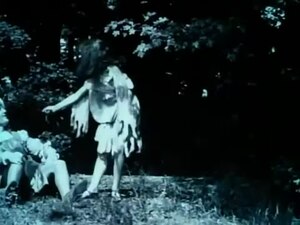
Percy Stow (1876 – 1919) was a pioneering British film director known for his significant contributions to early cinema. As a co-founder of the Clarendon Film Company, Stow was instrumental in shaping the British film industry. He directed 293 short films, including the first cinematic adaptation of "Alice in Wonderland." Stow's expertise in trick films and his collaboration with Cecil Hepworth from 1901 to 1903 positioned him as a key figure in the burgeoning world of early 20th-century filmmaking. His work at Clarendon Film Company, established in 1904, left a lasting legacy in the industry.
John Montague Stow
Sir John Montague Stow (1911–1997) was a distinguished British colonial official known for his significant contributions to the administration of the British Empire. Born in Simla, India, Stow was educated at Harrow and Pembroke College, Cambridge. He joined the Colonial Administrative Service in 1934, serving in Nigeria and Kenya, before becoming an assistant district officer in The Gambia. From 1947 to 1953, he was the Commissioner of Saint Lucia. Notably, Stow was the last governor of Barbados and its first governor-general following independence from the UK in 1966, highlighting his pivotal role in the island’s transition to independence.
John Montague Stow was the son of Sir Alexander Montague Stow, an Indian civilian. This familial background provided a foundation for his career in colonial administration, with his early life in Simla, India, influencing his path in public service.
Stow Surname Meaning, Origin, and History
The surname "Stow" has been associated with various notable individuals across different professions and regions, including America, Australia, and England. It has historical ties to fields such as law, politics, education, and science, with figures like John Stow, an English historian, and Randolph Stow, an Australian writer, highlighting its diverse legacy.
VIEW MOREWhere to Find Genealogy Records for Stow
We’ve analyzed YourRoots tree and records data to uncover where genealogists are finding key sources such as census, birth certificates, marriage records, and obituaries for the Stow family. Explore our most popular genealogy record sources for the Stow surname to learn more.
VIEW MOREAbout YourRoots
Explore your family tree geographically
Import your GEDCOM file to transform your family tree into an interactive global map. See your roots laid out visually and understand your true geographic heritage.
Powerful tools like "Trace Back To Me" instantly map your family's migration paths from a chosen ancestor all the way back to you.
Discover ancestors beyond "end-of-line" automatically
Import your family tree and let AI expand it for you. AI Ancestor Finder scans "end-of-line" ancestors to uncover their parents across hundreds of family lines at once. AI Deep Research analyzes selected ancestors and family clusters, suggesting relevant records and next steps.
Turn on Auto Research Mode to get new discoveries daily or weekly, so your tree keeps growing even while you're away.
Find more DNA matches across all DNA tests
Combine your DNA data with your family tree to unlock the full power of YourRoots DNA Match. Connect with relatives across major testing services — Ancestry, 23andMe, MyHeritage, and more.
View your matches' maps and trees to identify shared ancestors, and soon you'll be able to add them directly to your own tree and map.
Ancestry DNA analysis that goes deeper than others
Unlock exclusive reports that reveal your deeper origins.
- Deep Ancestry Report — Analyze 130+ ethnicities, sub-regions, and 1,800+ communities in one detailed view.
- Global & Native American Reports — Developed with Stanford researchers to uncover hidden ancestries across all 22 chromosomes.
- Ancient DNA Series — Compare your DNA with 1,000+ ancient genomes from Viking, Celtic, and early American civilizations.
Sign up to explore more
Create a free account to navigate family trees, view ancestors, and discover connections.
Coming Soon
We're actively working on many new features for YourRoots. Features marked v2 are ones we're planning to launch soon.
Have a particular feature request? Let us know below!