
Sign up to explore more
Create a free account to navigate family trees, view ancestors, and discover connections.


Sign up to explore more
Create a free account to navigate family trees, view ancestors, and discover connections.
Winder Family Genealogy & History
Discover the Global Legacy of the Winder Surname
The Winder surname traces its roots back to England, with origins that are both geographical and occupational. Derived from place names in northern England and influenced by Viking settlement, the name Winder reflects a lineage deeply intertwined with the landscape and history of the region. In the south, the Winder surname also emerged from the occupational term for those who wound wool, indicating the name's connection to the thriving wool industry of the area.
Throughout the centuries, the Winder surname evolved, with significant concentrations forming in the northern counties of Lancashire and Yorkshire, and also in southern counties like Sussex and Kent. This geographical spread was further propelled by migrations during the 17th and 18th centuries, leading to the Winder family tree's expansion beyond England's borders. By the 19th century, Winders had established significant populations in the United States, where different branches of the family continued to grow and diversify.
YourRoots data enriches our understanding of Winder genealogy by documenting the surname's presence in England from the early 16th century. This aligns with historical records indicating the Winder family’s early establishment in England, particularly in regions known for agriculture and trade. The data from YourRoots complements this history by showcasing the Winder family's adaptability and migration patterns, which have led to various branches settling in the United States and other English-speaking countries.
Winder genealogy records today offer a comprehensive view of the surname's global reach, with YourRoots providing valuable insights for those tracing their Winder family tree. The continuity between historical sources and YourRoots data underscores the rich and widespread heritage of the Winder lineage, offering genealogical researchers a robust framework for exploring their ancestry.
Find the Winder Family Tree
Search more Winder trees & genealogy records
Records
-
JWJames Winder1812–1881Individual Tree PersonParents: Abner Winder & Hope BallingerSpouse: Eliza WinderChildren: A., Hope, Charlotte, WilliamScore: AJWJames Winder1812–1881Individual Tree PersonParents: Abner Winder & Hope BallingerSpouse: Eliza WinderChildren: A., Hope, Charlotte, WilliamScore: A
-
CWCharles B Winder1850–1916Individual Tree PersonParents: David Winder & Martha WiermanSpouse: Mary BlackScore: ACWCharles B Winder1850–1916Individual Tree PersonParents: David Winder & Martha WiermanSpouse: Mary BlackScore: A
-
JWJohn Winder1736–1819Individual Tree PersonParents: John Winder & Rebecca RichardsSpouse: Margaret BriggsChildren: Abner, Sarah, Elizabeth, SarahScore: AJWJohn Winder1736–1819Individual Tree PersonParents: John Winder & Rebecca RichardsSpouse: Margaret BriggsChildren: Abner, Sarah, Elizabeth, SarahScore: A
-
PWPvt. Aaron Aden Winder1843–1896Individual Tree PersonParents: Aaron II & Hannah MilnorSpouse: Belinda StrykerChildren: James, William, Harriet, John, Samuel, AaronScore: APWPvt. Aaron Aden Winder1843–1896Individual Tree PersonParents: Aaron II & Hannah MilnorSpouse: Belinda StrykerChildren: James, William, Harriet, John, Samuel, AaronScore: A
-
WWWilliam W. Winder1836–1913Individual Tree PersonParents: James Winder & Eliza WinderSpouse: Deborah WinderChildren: A., DorothyScore: AWWWilliam W. Winder1836–1913Individual Tree PersonParents: James Winder & Eliza WinderSpouse: Deborah WinderChildren: A., DorothyScore: A
-
WWWm Albert Winder1866–1936Individual Tree PersonParents: John Winder & Rachel WatersSpouse: Rosiva Allen, Jennie RectorChildren: Alfred, Unnamed, ThosScore: AWWWm Albert Winder1866–1936Individual Tree PersonParents: John Winder & Rachel WatersSpouse: Rosiva Allen, Jennie RectorChildren: Alfred, Unnamed, ThosScore: A
-
SWSarah Guion Winder1882–1947Individual Tree PersonParents: John Winder & Loula McNairScore: ASWSarah Guion Winder1882–1947Individual Tree PersonParents: John Winder & Loula McNairScore: A
-
IWIsaac Winder1861–1944Individual Tree PersonParents: Peter Winder & Nancy WinderScore: AIWIsaac Winder1861–1944Individual Tree PersonParents: Peter Winder & Nancy WinderScore: A
-
EWEdward Johnson Winder1856–1926Individual Tree PersonParents: Samuel Winder & Sarah JohnsonSpouse: Caroline McCrayChildren: Edward, George, Emma, IdaScore: AEWEdward Johnson Winder1856–1926Individual Tree PersonParents: Samuel Winder & Sarah JohnsonSpouse: Caroline McCrayChildren: Edward, George, Emma, IdaScore: A
-
AWAaron Philip Winder1879–1927Individual Tree PersonParents: Pvt. Winder & Belinda StrykerSpouse: Fannie NoneChildren: Hariett, Kathrine, Mildred, ClarenceScore: AAWAaron Philip Winder1879–1927Individual Tree PersonParents: Pvt. Winder & Belinda StrykerSpouse: Fannie NoneChildren: Hariett, Kathrine, Mildred, ClarenceScore: A
-
RWRuth Elizabeth Winder1913–1997Individual Tree PersonParents: James Winder & Mary ProctorSpouse: George JrScore: ARWRuth Elizabeth Winder1913–1997Individual Tree PersonParents: James Winder & Mary ProctorSpouse: George JrScore: A
-
AWAlice Winder1878–1914Individual Tree PersonParents: Thomas Winder & Elizabeth BowkerScore: AAWAlice Winder1878–1914Individual Tree PersonParents: Thomas Winder & Elizabeth BowkerScore: A
-
WWWillie Winder1912–1955Individual Tree PersonParents: James Winder & Ida WinderSpouse: Evelyn ArmsteadScore: AWWWillie Winder1912–1955Individual Tree PersonParents: James Winder & Ida WinderSpouse: Evelyn ArmsteadScore: A
-
AWAustin Rudolph Winder1910–1973Individual Tree PersonParents: James Winder & Emma RichnerSpouse: Beryl Schreffler, Doris HunterScore: AAWAustin Rudolph Winder1910–1973Individual Tree PersonParents: James Winder & Emma RichnerSpouse: Beryl Schreffler, Doris HunterScore: A
-
FWFrank Winder1888–1975Individual Tree PersonParents: Daniel Winder & Lois WinderSpouse: Ella WinderChildren: Delsie, Ladine, Beulah, Deloy, Chester, Gerald, DarleenScore: AFWFrank Winder1888–1975Individual Tree PersonParents: Daniel Winder & Lois WinderSpouse: Ella WinderChildren: Delsie, Ladine, Beulah, Deloy, Chester, Gerald, DarleenScore: A
-
LWLloyd Nathaniel (of Severn) Winder1893–1977Individual Tree PersonParents: Severn Sr & Alice WilkinsScore: ALWLloyd Nathaniel (of Severn) Winder1893–1977Individual Tree PersonParents: Severn Sr & Alice WilkinsScore: A
-
MWMilton Winder1939–1949Individual Tree PersonParents: James Jr & Catherine JohnsonScore: AMWMilton Winder1939–1949Individual Tree PersonParents: James Jr & Catherine JohnsonScore: A
-
PWPvt. Royal J Winder1845–1888Individual Tree PersonParents: Aaron Winder & Adaline LimesSpouse: Louise CassadyChildren: NellieScore: APWPvt. Royal J Winder1845–1888Individual Tree PersonParents: Aaron Winder & Adaline LimesSpouse: Louise CassadyChildren: NellieScore: A
-
JWJoseph Winder1764–1821Individual Tree PersonParents: Thomas Winder & Elizabeth LintonSpouse: Ruth NoneChildren: AmosScore: AJWJoseph Winder1764–1821Individual Tree PersonParents: Thomas Winder & Elizabeth LintonSpouse: Ruth NoneChildren: AmosScore: A
-
IWIda Winder1884–1902Individual Tree PersonParents: Edward Winder & Caroline McCrayScore: AIWIda Winder1884–1902Individual Tree PersonParents: Edward Winder & Caroline McCrayScore: A
Search more trees & records for
Winder for free
Tracing Your Winder Family Lineage
Origin of the Winder Family: Where does the Winder surname come from?
The Winder surname first appears in recorded history in England during the early 16th century. This initial documentation marks a significant point in the family tree, laying the groundwork for generations that would follow. The origins of the surname suggest connections to geographic features or occupations, typical of many English surnames, hinting at a lineage deeply rooted in the landscape of the United Kingdom.
Genealogy and Early Family History of Winder
Throughout the early centuries, the Winder family began to establish itself primarily in England, particularly in regions known for agriculture and trade. During the 17th century, the family expanded its presence, with branches appearing in various counties, reflecting the mobility and adaptability of its members. Families bearing the Winder surname began to construct their family trees, intermingling with other local families and creating a rich tapestry of connections.
As the centuries progressed, the Winder lineage saw further diversification, fostering numerous branches that extended their reach. In the 18th century, the growing population and changing social dynamics allowed for greater migration within England, which facilitated the emergence of new family lines. This period was crucial for the development of family identities and the establishment of local communities where the Winder name became more prominent.
Tracing the Winder Family Tree Through the Centuries
The spread of the Winder surname gained momentum from the 19th century onward, as families started to venture beyond England's shores. This migration led to significant populations forming in the United States, particularly during the late 19th and early 20th centuries, where many Winders sought new opportunities. As families moved across the Atlantic, they carried their heritage with them, contributing to a broader understanding of the Winder family tree on an international scale.
During the 20th century, the Winder surname continued to flourish, with descendants of the original English families making their mark in various regions across the globe. The growth of the family tree during this time is indicative of the ongoing legacy of the Winder lineage, as it adapted to new cultures and environments. Genealogical research reveals a fascinating journey of expansion, showing how the Winder family has woven itself into the fabric of multiple societies.
Where to Find Winder Genealogy Records Today
In the modern centuries, the Winder surname can be found across a variety of regions, reflecting its rich global heritage. The family name has established itself not only in the United States but also in Canada, Australia, and beyond, illustrating the widespread connections formed through migration and settlement. For those interested in exploring their own Winder genealogy, the YourRoots database offers a wealth of records that can help individuals
Famous People with Winder (and Their Family Tree)

Catherine Winder
Catherine Winder is a renowned Canadian digital media producer and executive, recognized for her leadership role as President of Rainmaker Entertainment from May 12, 2009, to June 30, 2012. Originating from Toronto, Ontario, Canada, Winder's impressive career began in Japan, where she gained valuable experience that influenced her work on the acclaimed Star Wars: The Clone Wars, blending anime and manga elements into its animation style. Her career highlights and expertise in digital media production have made her a notable figure in the industry.

John H. Winder
John Henry Winder was a distinguished military figure, known for his service in the United States Army during the Mexican–American War and later as a Confederate general in the American Civil War. He held key roles, including commanding prisoner-of-war camps in the South during the Civil War, although he faced charges related to the poor supply of prisoners. Winder's military career was marked by his leadership in battles such as Contreras, Churubusco, and Chapultepec, earning him brevet promotions. His role as provost marshal general in Richmond during martial law earned him the controversial nickname "The Dictator of Richmond," due to his enforcement measures and the actions of his police force.
Born at "Rewston" in Somerset County, Maryland, John H. Winder was the son of U.S. Army Brigadier General William H. Winder, who was notable for his role in the War of 1812. His father commanded American forces at the Battle of Bladensburg, a significant event in the war. Winder's mother was Gertrude Polk, and through his family, he was related to Confederate general Charles Sidney Winder. His family background and connections played a part in shaping his military career and affiliations.

Josh Winder
Josh Winder, an American professional baseball pitcher born on October 11, 1996, has made notable contributions to Major League Baseball (MLB). A former player for the Minnesota Twins, Winder debuted in MLB in 2022, showcasing his skills as part of the team's Opening Day roster. His career highlights include a 4–6 record with a 4.70 ERA in his rookie season and participation in the 2021 All-Star Futures Game. Despite facing challenges, such as a right scapula stress fracture and later Tommy John surgery, Winder continues his career with a brief stint with the Arizona Diamondbacks, highlighting his resilience and dedication to the sport.

William H. Winder
William Henry Winder was an American soldier and lawyer, known for his controversial role as a brigadier general during the War of 1812. Despite his leadership in the disastrous Battle of Bladensburg, which led to the Burning of Washington, Winder was acquitted in a court-martial. He was a key figure in military engagements such as the Battle of Fort George and the Battle of Stoney Creek, where he was captured. Post-war, Winder became a prominent attorney in Baltimore and was involved in political pursuits, though unsuccessfully running for Congress multiple times. His military and legal careers highlight his significant, albeit contentious, contributions to American history.
William Henry Winder was born in Somerset County, Maryland, and was the nephew of Levin Winder. Further details about his family origins or parents are not specified in the source text.
Sammy Winder
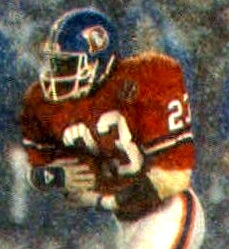
Sammy Winder, born on July 15, 1959, is a former professional American football player renowned for his role as a running back with the Denver Broncos in the NFL from 1982 to 1990. A two-time Pro Bowl selection in 1984 and 1986, Winder was instrumental in leading the Broncos to three Super Bowl appearances during the 1980s. He amassed 5,427 rushing yards and 39 touchdowns in his NFL career. Known for his signature touchdown celebration, the 'Mississippi Mud Walk,' Winder was a vital player for the Broncos, excelling both as a rusher and a receiver.
Winder was the son of a farmer and played high school football at Madison-Ridgeland High School in Madison, Mississippi, his hometown. He later excelled in college football at The University of Southern Mississippi, setting school records and playing alongside future NFL stars.
Winder Surname Meaning, Origin, and History
The surname "Winder" originates from England and is primarily found in the United Kingdom, the United States, and other English-speaking countries, with notable occurrences in Austria. It derives from two distinct sources: in northern England, it is linked to place names and possibly Viking origins, while in southern England, it may have occupational roots related to wool processing or geographical features. The pronunciation varies, with a short "i" sound in the south and a long "i" in the north.
VIEW MOREWhere to Find Genealogy Records for Winder
We’ve analyzed YourRoots tree and records data to uncover where genealogists are finding key sources such as census, birth certificates, marriage records, and obituaries for the Winder family. Explore our most popular genealogy record sources for the Winder surname to learn more.
VIEW MOREAbout YourRoots
Explore your family tree geographically
Import your GEDCOM file to transform your family tree into an interactive global map. See your roots laid out visually and understand your true geographic heritage.
Powerful tools like "Trace Back To Me" instantly map your family's migration paths from a chosen ancestor all the way back to you.
Discover ancestors beyond "end-of-line" automatically
Import your family tree and let AI expand it for you. AI Ancestor Finder scans "end-of-line" ancestors to uncover their parents across hundreds of family lines at once. AI Deep Research analyzes selected ancestors and family clusters, suggesting relevant records and next steps.
Turn on Auto Research Mode to get new discoveries daily or weekly, so your tree keeps growing even while you're away.
Find more DNA matches across all DNA tests
Combine your DNA data with your family tree to unlock the full power of YourRoots DNA Match. Connect with relatives across major testing services — Ancestry, 23andMe, MyHeritage, and more.
View your matches' maps and trees to identify shared ancestors, and soon you'll be able to add them directly to your own tree and map.
Ancestry DNA analysis that goes deeper than others
Unlock exclusive reports that reveal your deeper origins.
- Deep Ancestry Report — Analyze 130+ ethnicities, sub-regions, and 1,800+ communities in one detailed view.
- Global & Native American Reports — Developed with Stanford researchers to uncover hidden ancestries across all 22 chromosomes.
- Ancient DNA Series — Compare your DNA with 1,000+ ancient genomes from Viking, Celtic, and early American civilizations.
Sign up to explore more
Create a free account to navigate family trees, view ancestors, and discover connections.
Coming Soon
We're actively working on many new features for YourRoots. Features marked v2 are ones we're planning to launch soon.
Have a particular feature request? Let us know below!