
Sign up to explore more
Create a free account to navigate family trees, view ancestors, and discover connections.
Sign up to explore more
Create a free account to navigate family trees, view ancestors, and discover connections.
Dyer Family Genealogy & History
Discover the Global Legacy of the Dyer Surname
The Dyer surname, with its origins in England, is linked to the medieval trade of cloth dyeing. This occupational surname emerged during a time when surnames became important identifiers, often reflecting the bearer’s profession. Additionally, Dyer saw variations in Ireland, where it is an Anglicized form of the Gaelic surnames "O Duibhir" and "Mac Duibhir," which incorporate the Gaelic words for "black" and "uncolored." These roots provide a glimpse into the historical context surrounding the Dyer family tree.
As the surname evolved, the Dyer family spread geographically and culturally. Initially prominent in England, the name expanded during the late medieval and Renaissance periods, with branches forming in various regions. The Dyer genealogy demonstrates how families moved and intertwined, contributing to the historical fabric of England. Over time, the Dyer name found its way to the United States during the colonial era, broadening the family tree’s reach across new territories.
YourRoots data corroborates the Dyer surname's early presence in England, highlighting its development from the medieval period onward. This dataset confirms a steady expansion of the Dyer family through significant historical epochs, such as the Renaissance and early modern periods, when the surname became recognized across England. These insights from YourRoots enrich the understanding of Dyer genealogy, showing a lineage that intertwined with social and economic developments over centuries.
Today, Dyer records offer a global perspective, with the family tree extending beyond the United States and into other parts of the world. YourRoots data underscores the enduring legacy and adaptability of the Dyer lineage, offering valuable resources for genealogy enthusiasts tracing this family’s historical journey. The continued prevalence of the Dyer surname in modern times reflects a rich history documented through accessible records and family stories.
Find the Dyer Family Tree
Search more Dyer trees & genealogy records
Records
-
ADAbigail Dyer1647–1717Public Tree Person10 treesScore: AADAbigail Dyer1647–1717Public Tree Person10 treesScore: A
-
ADAbigail Dyer1718–1808Public Tree Person4 treesScore: AADAbigail Dyer1718–1808Public Tree Person4 treesScore: A
-
EDEbenezer Dyer1697–1777Public Tree PersonParents: Mary Taylor3 treesScore: AEDEbenezer Dyer1697–1777Public Tree PersonParents: Mary Taylor3 treesScore: A
-
IDIsabel Dyer1729–1828Public Tree Person4 treesScore: AIDIsabel Dyer1729–1828Public Tree Person4 treesScore: A
-
LDLady Joan Mary "Joanna" Dyer1592–1675Public Tree Person3 treesScore: ALDLady Joan Mary "Joanna" Dyer1592–1675Public Tree Person3 treesScore: A
-
MDMabel Jeanette Dyer1915–1989Individual Tree PersonParents: Verlin Dyar & Millie FulkScore: AMDMabel Jeanette Dyer1915–1989Individual Tree PersonParents: Verlin Dyar & Millie FulkScore: A
-
GDGeorgiana Adelaide Dyer1846–1927Individual Tree PersonParents: Mansur Dyer & Sallie StoutSpouse: Roswin HardyChildren: Periam, Raymond, Edward, Bertha, Sylvia, HelenScore: AGDGeorgiana Adelaide Dyer1846–1927Individual Tree PersonParents: Mansur Dyer & Sallie StoutSpouse: Roswin HardyChildren: Periam, Raymond, Edward, Bertha, Sylvia, HelenScore: A
-
KDKeturah Dyer1865–1930Individual Tree PersonParents: William Dyer & Sarah HoweScore: AKDKeturah Dyer1865–1930Individual Tree PersonParents: William Dyer & Sarah HoweScore: A
-
MDMaj. Ebenezer Dyer1729–1757Individual Tree PersonParents: John Dyer & Abigail FitchScore: AMDMaj. Ebenezer Dyer1729–1757Individual Tree PersonParents: John Dyer & Abigail FitchScore: A
-
CDCharles Loyd Dyer1929–2005Individual Tree PersonParents: Edward Dyer & Oma MainesSpouse: Lillian RichScore: ACDCharles Loyd Dyer1929–2005Individual Tree PersonParents: Edward Dyer & Oma MainesSpouse: Lillian RichScore: A
-
PDPeter Dyer1809–1859Individual Tree PersonParents: William Dyer & Eunice BitherSpouse: Olive HardingChildren: Charlotte, Benson, Knowles, William, Roscoe, Edward, Winfield, Alphonso, Eliza, Joseph, LydiaScore: APDPeter Dyer1809–1859Individual Tree PersonParents: William Dyer & Eunice BitherSpouse: Olive HardingChildren: Charlotte, Benson, Knowles, William, Roscoe, Edward, Winfield, Alphonso, Eliza, Joseph, LydiaScore: A
-
MDMary Dyer1784–1855Individual Tree PersonParents: William Liddicoat & Florance TretheweySpouse: Phillip Liddicoat, John StephensChildren: John, Maria, James, Harriet, George, Mary, ThomasScore: AMDMary Dyer1784–1855Individual Tree PersonParents: William Liddicoat & Florance TretheweySpouse: Phillip Liddicoat, John StephensChildren: John, Maria, James, Harriet, George, Mary, ThomasScore: A
-
SDSusan Dyer1754–1838Individual Tree PersonParents: John Dyer & Viney MortonSpouse: John McPeakeChildren: John, Nancy, Satterfield, Jane, Robert, Joseph, Lucinda, Martha, Eglantine, Ivy, Baswell, KatherineScore: ASDSusan Dyer1754–1838Individual Tree PersonParents: John Dyer & Viney MortonSpouse: John McPeakeChildren: John, Nancy, Satterfield, Jane, Robert, Joseph, Lucinda, Martha, Eglantine, Ivy, Baswell, KatherineScore: A
-
DDDavid Allen Dyer1943–2023Individual Tree PersonParents: Cecil Dyer & Helen SmithSpouse: Betty DyerScore: ADDDavid Allen Dyer1943–2023Individual Tree PersonParents: Cecil Dyer & Helen SmithSpouse: Betty DyerScore: A
-
HDHassary Dyer1811–1850Individual Tree PersonParents: Charles Sr. & Mary HURSTSpouse: Mary BrazilChildren: RichardScore: AHDHassary Dyer1811–1850Individual Tree PersonParents: Charles Sr. & Mary HURSTSpouse: Mary BrazilChildren: RichardScore: A
-
WDWilliam Dyer1811–1857Individual Tree PersonParents: John Dyer & Viney MortonScore: AWDWilliam Dyer1811–1857Individual Tree PersonParents: John Dyer & Viney MortonScore: A
-
MDMarion Elizabeth Dyer1903–1966Individual Tree PersonParents: Thomas Dyer & Catherine CalnanSpouse: Martin LomasneyChildren: MartinScore: AMDMarion Elizabeth Dyer1903–1966Individual Tree PersonParents: Thomas Dyer & Catherine CalnanSpouse: Martin LomasneyChildren: MartinScore: A
-
WDWilliam Dyer1690–1764Individual Tree PersonParents: William Dyer & Mary TaylorSpouse: Hannah StroutChildren: Ambrose, Mary, WilliamScore: AWDWilliam Dyer1690–1764Individual Tree PersonParents: William Dyer & Mary TaylorSpouse: Hannah StroutChildren: Ambrose, Mary, WilliamScore: A
-
JDJoyce Ann Dyer1938–2022Individual Tree PersonParents: Henry Dyer & Anna DavisSpouse: Jack CornettScore: AJDJoyce Ann Dyer1938–2022Individual Tree PersonParents: Henry Dyer & Anna DavisSpouse: Jack CornettScore: A
-
MDMartha Jane Dyer1884–1949Individual Tree PersonParents: Leonard Dyer & Mary TurnerSpouse: Joel Cunningham, James McKeeChildren: Gladys, Claud, MillieScore: AMDMartha Jane Dyer1884–1949Individual Tree PersonParents: Leonard Dyer & Mary TurnerSpouse: Joel Cunningham, James McKeeChildren: Gladys, Claud, MillieScore: A
Search more trees & records for
Dyer for free
Tracing Your Dyer Family Lineage
Origin of the Dyer Family: Where does the Dyer surname come from?
The Dyer surname traces its earliest known appearance to England, marking a significant point in family tree beginnings and genealogical origins. This initial record connects to a period when surnames were becoming a vital aspect of identity, often reflecting occupations or characteristics. The emergence of Dyer during this time suggests a lineage rooted in the historical and cultural context of England, where family names began to take shape and evolve.
Genealogy and Early Family History of Dyer
Throughout the subsequent centuries, the Dyer family began to spread, primarily within England, establishing itself in various regions noted in the YourRoots database. This expansion saw the Dyer name flourish during significant periods, such as the late medieval times into the Renaissance, where family branches grew and diversified. As families settled in key areas, they contributed to the broader tapestry of English history, building their family trees through marriages and migrations.
By the time of the early modern period, the Dyer lineage had established a more complex network, with families often intertwining through social and economic ties. The notable growth in the surname during this time indicates a vibrant community, where the Dyer name became increasingly recognized across the regions of England. This period laid the foundation for future generations, allowing the Dyer family to branch out even further in the centuries to come.
Tracing the Dyer Family Tree Through the Centuries
As the Dyer surname evolved, it expanded beyond England, making its mark in various regions during the 17th century and beyond. The migration to the United States during the colonial period signified a notable shift, with families carrying the Dyer name establishing roots in new territories, especially in the 18th century. This transition allowed for further growth and diversification of the Dyer family tree, as descendants spread across North America, intertwining with other lineages.
In the 19th century, the Dyer surname saw significant growth in the United States, where many families continued to flourish and expand. The 20th century brought about a global spread, with descendants of the Dyer family not only remaining in North America but also reaching other parts of the world. This international presence reflects the adaptability and resilience of the Dyer lineage, showcasing how the family tree has evolved through historical events and migrations.
Where to Find Dyer Genealogy Records Today
In modern times, the Dyer surname is still prevalent across various regions, particularly in the United States, where it continues to thrive in the 21st century. The global spread of the Dyer name highlights the enduring legacy of this family line, which has adapted to new cultures and environments over time. Readers interested in
Famous People with Dyer (and Their Family Tree)
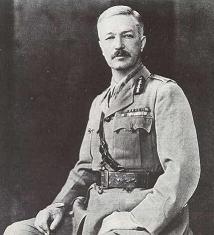
Reginald Dyer
Colonel Reginald Edward Harry Dyer, known for his role as a British military officer in the Bengal Army and later the British Indian Army, gained notoriety for ordering the Jallianwala Bagh massacre in 1919, earning him the moniker "the Butcher of Amritsar." His military career included service in the Third Anglo-Afghan War and the First World War, where he was recognized with the honor of Companion of the Order of the Bath. Dyer's actions in Amritsar were widely condemned, yet he was viewed as a hero by some connected to the British Raj.
Reginald Dyer was born on 9 October 1864 in Murree, British India, to Edward Dyer, an English heritage brewer managing the Murree Brewery, and Mary Passmore. He spent his formative years in Murree and Shimla.

Danny Dyer
Danny Dyer, an acclaimed English actor and presenter, is renowned for his roles in films such as "Human Traffic" and "The Football Factory," where he was often cast in "hard man" roles. His television career flourished with his long-standing role as Mick Carter in the BBC soap opera "EastEnders" and his presentation of the BBC game show "The Wall." Dyer's theater work includes collaborations with playwright Harold Pinter. His more recent work includes starring in "Mr. Bigstuff," earning a BAFTA TV Award nomination for Best Male Comedy Performance.
Born in London's Custom House, Danny Dyer is the son of Christine (née Meakin) and Antony Dyer and has two siblings, Tony and Kayleigh. His family history, explored in the BBC series "Who Do You Think You Are?", reveals ancestry linked to Thomas Cromwell and Elizabeth Seymour, tracing back to historical figures like Edward III, William the Conqueror, and Charlemagne.

Natalia Dyer
Natalia Danielle Dyer is an acclaimed American actress known for her role as Nancy Wheeler in the popular Netflix series Stranger Things, a show that has captivated audiences since 2016. Born on January 13, 1995, in Nashville, Tennessee, Dyer's career began with a role in Hannah Montana: The Movie. Her filmography includes standout performances in the films Yes, God, Yes, Velvet Buzzsaw, and Things Heard & Seen. Dyer's work extends to television, including the 2023 Peacock series Based on a True Story, showcasing her versatility across genres like horror, comedy, and drama.
Natalia Dyer was born and raised in Nashville, Tennessee, where she began her acting journey in community theater. She has two sisters, but further details about her family history or ancestry are not specified in the available information.

Dani Dyer
Dani Charlotte Dyer, born on 8 August 1996, is a prominent English television personality known for her reality TV success and acting roles. Gaining fame in 2018, she won the fourth series of ITV2's Love Island with Jack Fincham, which significantly boosted her public profile. She has since co-presented the MTV series True Love or True Lies and co-hosted the podcast Sorted with the Dyers with her father, Danny Dyer. Her acting credits include appearances in films such as We Still Kill the Old Way and Bonded by Blood 2. Dyer also made a guest appearance in the BBC soap opera EastEnders in 2021.
Dani Dyer was born in the London Borough of Newham to parents Joanne Mas and Danny Dyer. She has a younger sister and brother. Her father, Danny Dyer, is a well-known actor, which has influenced her early career, as she appeared alongside him in several films. The family background highlights a strong connection to the entertainment industry.

Wayne Dyer
Wayne Walter Dyer was a prominent American self-help author and motivational speaker, celebrated for his transformative works like "Your Erroneous Zones," which sold over 100 million copies. His career highlights include a successful tenure as a counselor education professor at St. John's University and a popular presence on national talk shows like The Merv Griffin Show. Dyer's prolific output includes over 20 best-selling books and numerous PBS specials. Influenced by Abraham Maslow and Swami Muktananda, his work evolved from psychological motivation to spirituality, collaborating with figures like Deepak Chopra and appearing frequently on the Oprah Winfrey Show.
Born in Detroit, Michigan, Wayne Dyer was the son of Melvin Lyle Dyer and Hazel Irene Vollick. After his father left, Dyer spent part of his childhood in an orphanage before being adopted by a strict but loving couple. This challenging upbringing played a significant role in shaping his future philosophies and teachings.
Dyer Surname Meaning, Origin, and History
The surname "Dyer" has English medieval roots, originating from the occupation of cloth dying. In Ireland, it serves as an Anglicization of the Gaelic surnames "O Duibhir" and "Mac Duibhir," which are derived from words meaning black and uncolored.
VIEW MOREWhere to Find Genealogy Records for Dyer
We’ve analyzed YourRoots tree and records data to uncover where genealogists are finding key sources such as census, birth certificates, marriage records, and obituaries for the Dyer family. Explore our most popular genealogy record sources for the Dyer surname to learn more.
VIEW MOREAbout YourRoots
Explore your family tree geographically
Import your GEDCOM file to transform your family tree into an interactive global map. See your roots laid out visually and understand your true geographic heritage.
Powerful tools like "Trace Back To Me" instantly map your family's migration paths from a chosen ancestor all the way back to you.
Discover ancestors beyond "end-of-line" automatically
Import your family tree and let AI expand it for you. AI Ancestor Finder scans "end-of-line" ancestors to uncover their parents across hundreds of family lines at once. AI Deep Research analyzes selected ancestors and family clusters, suggesting relevant records and next steps.
Turn on Auto Research Mode to get new discoveries daily or weekly, so your tree keeps growing even while you're away.
Find more DNA matches across all DNA tests
Combine your DNA data with your family tree to unlock the full power of YourRoots DNA Match. Connect with relatives across major testing services — Ancestry, 23andMe, MyHeritage, and more.
View your matches' maps and trees to identify shared ancestors, and soon you'll be able to add them directly to your own tree and map.
Ancestry DNA analysis that goes deeper than others
Unlock exclusive reports that reveal your deeper origins.
- Deep Ancestry Report — Analyze 130+ ethnicities, sub-regions, and 1,800+ communities in one detailed view.
- Global & Native American Reports — Developed with Stanford researchers to uncover hidden ancestries across all 22 chromosomes.
- Ancient DNA Series — Compare your DNA with 1,000+ ancient genomes from Viking, Celtic, and early American civilizations.
Sign up to explore more
Create a free account to navigate family trees, view ancestors, and discover connections.
Coming Soon
We're actively working on many new features for YourRoots. Features marked v2 are ones we're planning to launch soon.
Have a particular feature request? Let us know below!